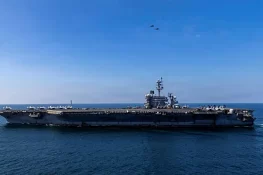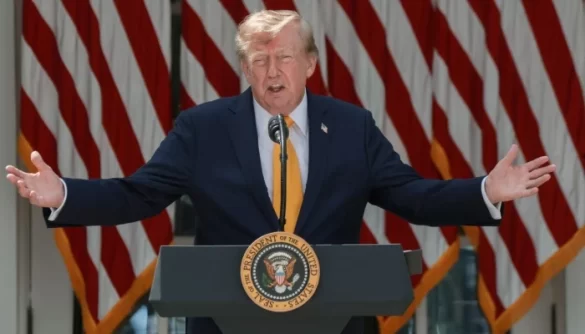
US President Donald Trump is reportedly considering a return to more direct military action against Iran as tensions continue to escalate over stalled peace negotiations and ongoing regional instability, according to a CNN report citing multiple sources familiar with internal discussions.
Growing Frustration Over Iran Negotiations
According to the report, Trump has become increasingly frustrated with Iran’s response to diplomatic efforts aimed at ending the ongoing conflict. Officials familiar with the matter say the US president believes Tehran is not making meaningful concessions, particularly regarding nuclear-related discussions.
The situation has been further complicated by continued disruption in the Strait of Hormuz, a vital global shipping route for oil and gas. The ongoing instability in the region has reportedly added to Washington’s urgency in reassessing its strategy.
Internal Division Within US Administration
CNN sources say there are differing views within the US government on how to proceed. One faction, including some Pentagon officials, is reportedly advocating for a more aggressive military posture, including targeted strikes designed to pressure Iran into serious negotiations.
These officials argue that increased military pressure could weaken Tehran’s negotiating position and force a quicker resolution to the conflict.
Trump Rejects Iran Peace Proposal as Gulf Tensions Escalate Further
However, another group within the administration continues to support diplomatic engagement, warning that escalation could further destabilize the region and complicate long-term peace efforts.
Trump’s Position Hardens
The report states that Trump has privately expressed strong dissatisfaction with Iran’s latest response, which he has reportedly described as “totally unacceptable” and “stupid.”
This reaction, according to sources, has led US officials to reassess whether Iran is genuinely willing to engage in meaningful negotiations or whether diplomatic efforts have reached a deadlock.
Broader Regional Tensions
The developments come amid already heightened tensions in the Middle East, with ongoing concerns about maritime security, energy supply routes, and nuclear proliferation risks.
The Strait of Hormuz, through which a significant portion of the world’s oil supply passes, remains a key flashpoint, and continued instability there has had ripple effects on global energy markets.
Uncertain Path Ahead
While no final decision has been announced, the internal debate highlights the uncertainty surrounding US policy direction in the region. Whether Washington moves toward renewed military action or continues diplomatic engagement is expected to depend on the coming days of negotiations and security developments.