Tensions in the Middle East have intensified after US President Donald Trump rejected Iran’s latest peace proposal, calling it “totally unacceptable,” while warnings of renewed military escalation and maritime confrontation continue to mount.
The developments come as negotiations over ending the conflict between United States and Iran remain stalled, and global energy markets react sharply to uncertainty in the Gulf region.
Trump Rejects Iran’s Peace Response
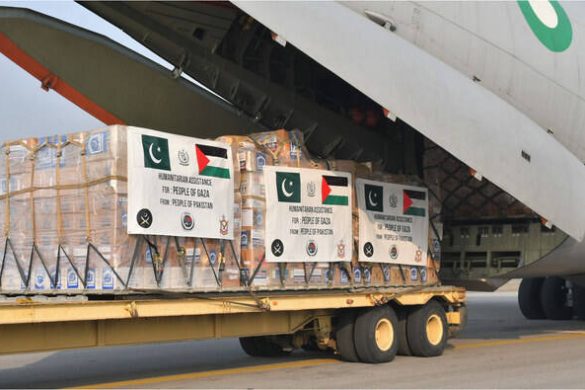
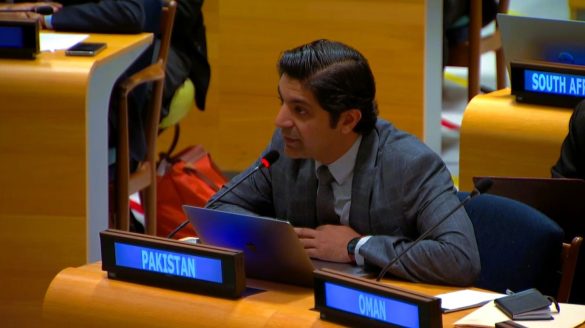
President Trump publicly dismissed Iran’s counterproposal, which had been delivered through mediators including Pakistan, without providing detailed terms.
In his statement, Trump said he had reviewed Iran’s response and found it unacceptable, signaling a hardening US stance at a critical diplomatic moment.
The rejection raises the risk of renewed confrontation after weeks of fragile and inconsistent ceasefire arrangements.
Iran Warns of Retaliation and Expands Conditions
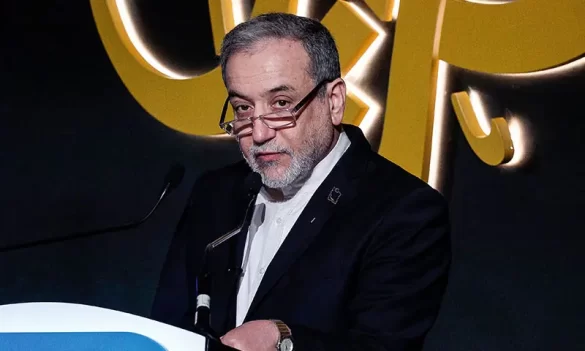
Iranian officials have warned that they will respond forcefully to any further US military action. Tehran has also reportedly insisted that discussions focus not only on Gulf security but also on broader regional conflict zones, including Lebanon.
According to Iranian messaging, the response delivered through intermediaries includes demands related to:
- Ending hostilities across multiple fronts
- Ensuring maritime security in key waterways
- Addressing regional military escalations
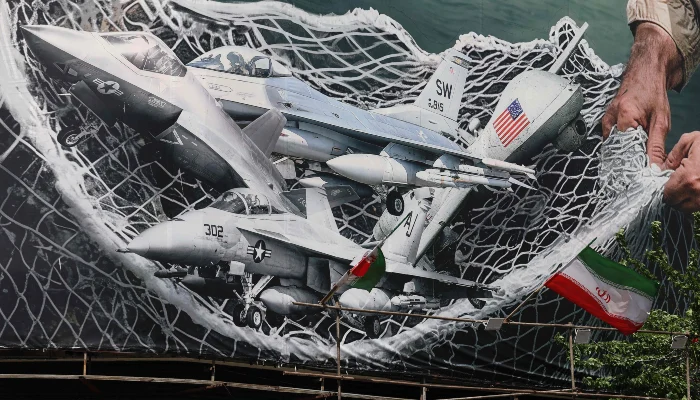
Iran has also reiterated that it will not allow foreign naval dominance in the Strait of Hormuz, a vital global energy route.
Oil Prices Spike Above $104
Financial markets reacted immediately to the escalating tensions. Brent crude oil prices surged above $104 per barrel, reflecting fears of supply disruption through the Strait of Hormuz.
The strait is one of the world’s most important oil transit routes, carrying nearly one-fifth of global petroleum shipments. Any instability in the region typically triggers sharp volatility in global energy markets.
Maritime Security and Military Escalation
Reports indicate continued military activity in and around the Gulf region, including drone incidents and naval confrontations.
Iran has previously imposed restrictions on shipping routes and introduced toll-based systems for vessels passing through contested waters. In response, US forces have reportedly increased maritime pressure, including blocking or diverting ships linked to Iranian ports.
Western nations, including United Kingdom and France, are also exploring coordinated maritime security arrangements in anticipation of post-conflict stabilization efforts.
Iran’s Ability to Withstand Blockade Sparks New Tensions in Gulf Conflict
Nuclear Concerns and Israeli Position
Israeli leadership has maintained that any lasting resolution must include restrictions on Iran’s nuclear program. Israeli Prime Minister Benjamin Netanyahu has stated that Iran’s enriched uranium stockpile and nuclear facilities must be dismantled before peace can be achieved.
The United States has echoed concerns over nuclear material monitoring, though differing views remain on enforcement mechanisms and verification.
Regional Military Activity and Drone Attacks
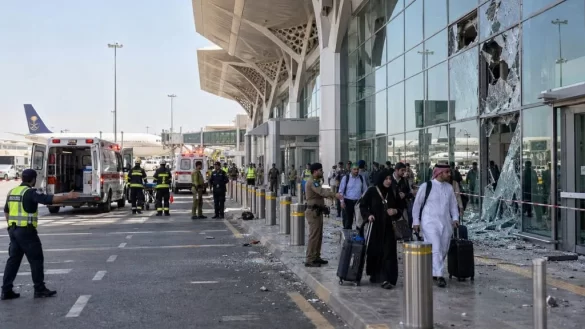
The region has also seen renewed drone activity and security incidents involving multiple Gulf states, including the United Arab Emirates and Qatar. Several reports indicate air defense systems were activated following suspected drone incursions.
Although responsibility for recent attacks has not been officially confirmed, the incidents have further heightened regional fears of broader escalation.
Iran Signals Hardening Position
Iranian officials have warned that restraint may no longer continue if military pressure intensifies. Parliamentary security figures have suggested that future attacks on Iranian assets could trigger direct responses against US forces and installations in the region.
At the same time, Iranian leadership continues to publicly reject any perception of surrender, insisting that diplomatic engagement does not mean political compromise.
The rejection of Iran’s peace proposal by President Donald Trump has significantly deepened uncertainty in an already volatile region. With oil prices rising, naval tensions increasing, and diplomatic channels under strain, the conflict between the United States and Iran appears to be entering a more unstable phase, with limited clarity on whether negotiations can resume or further escalation is imminent.