A newly reported intelligence assessment has intensified debate over the ongoing conflict between the United States and Iran, suggesting that Tehran could endure a maritime blockade for several months despite rising pressure in the Gulf region.
The report comes as tensions escalate around the Strait of Hormuz, one of the world’s most critical oil transit routes, amid continued military and diplomatic confrontation between the two countries.
CIA Assessment on Iran’s Economic Resilience
According to a report cited by US officials, an analysis attributed to the Central Intelligence Agency (CIA) suggests that Iran could withstand a US-imposed blockade of its ports for roughly four months without facing immediate economic collapse.
However, the assessment has been disputed. A senior intelligence official rejected the claim, arguing that the blockade is already causing “real and compounding damage” to Iran’s economy by disrupting trade and reducing revenue.
The disagreement highlights uncertainty within US policy circles over how much pressure Iran can realistically absorb during the ongoing conflict.
Escalation in the Strait of Hormuz
The situation in the Strait of Hormuz has seen renewed military activity in recent days. Reports indicate that Iranian forces and US naval units have engaged in sporadic confrontations in the waterway.
Iran has reportedly restricted non-Iranian shipping through the strait since the conflict escalated following joint US-Israeli strikes earlier this year. The United States, meanwhile, has increased maritime pressure, including actions targeting Iranian-linked vessels.
These developments have raised concerns because the Strait of Hormuz carries nearly one-fifth of global oil shipments, making it a critical global energy chokepoint.
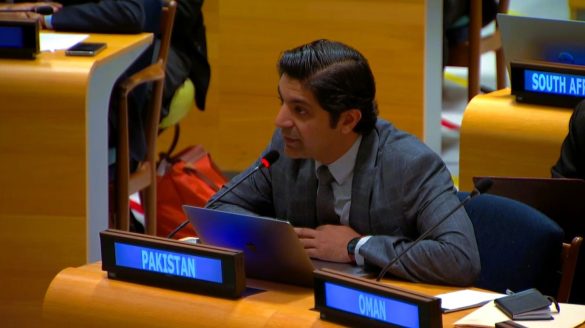
Pakistan Calls for Swift Restoration of Strait of Hormuz Shipping Flow
Regional Spillover and Gulf Involvement
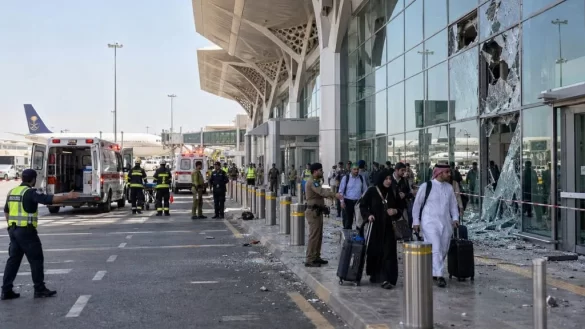
Tensions have also spread beyond the sea route. The United Arab Emirates reported that its air defense systems intercepted ballistic missiles and drones allegedly launched from Iran. Several people were reported injured in the incident.
Iran has previously accused Gulf states hosting US military bases of supporting Washington’s operations, and strikes in the region have raised fears of broader regional instability.
Diplomatic Efforts Stalled
Despite ongoing hostilities, diplomatic channels remain open. US officials have indicated that Washington is awaiting a response from Tehran regarding a proposal aimed at ending the conflict before broader negotiations can begin.
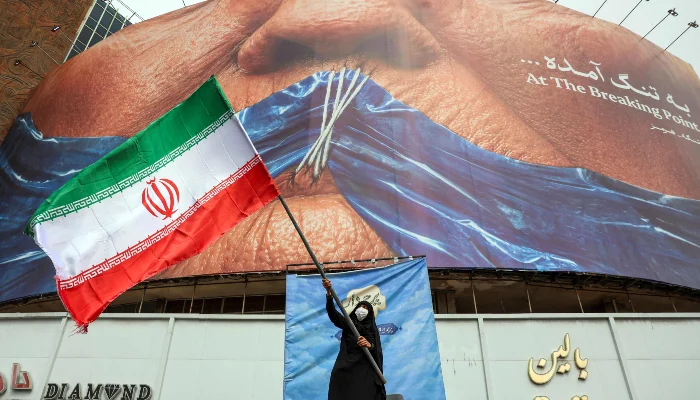
Iranian officials, however, have stated that they are still reviewing the proposal. Foreign Minister Abbas Araghchi has accused the US of undermining the ceasefire and prioritizing military pressure over diplomacy.
The ceasefire, announced earlier in April, has largely held but is now showing signs of strain due to renewed clashes.
Sanctions and Economic Pressure
Alongside military pressure, the United States has expanded its sanctions regime targeting Iran’s defense-linked supply chains.
The United States Department of the Treasury announced new sanctions against individuals and companies accused of helping Iran procure materials for weapons production, including drone technology.
Officials said the measures aim to limit Iran’s ability to rebuild military capacity and expand its influence abroad. Secondary sanctions may also be applied to foreign firms dealing with Iranian entities.
Global Oil Market Impact
Oil markets have reacted sharply to the instability, with Brent crude prices briefly rising above $101 per barrel. Traders remain concerned that any disruption in the Strait of Hormuz could significantly affect global supply chains and energy prices.
The latest developments underscore a rapidly evolving conflict marked by military confrontation, economic pressure, and uncertain diplomacy. While intelligence assessments suggest Iran may withstand short-term pressure, the widening scope of sanctions, naval clashes, and regional spillovers indicates that the crisis is far from resolution and could have prolonged global consequences.