Iran has blamed the ongoing disruption in the Strait of Hormuz and its global economic impact on what it called the “initiators” of the war against it.
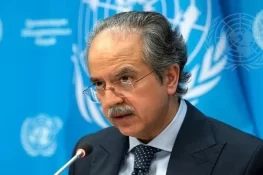
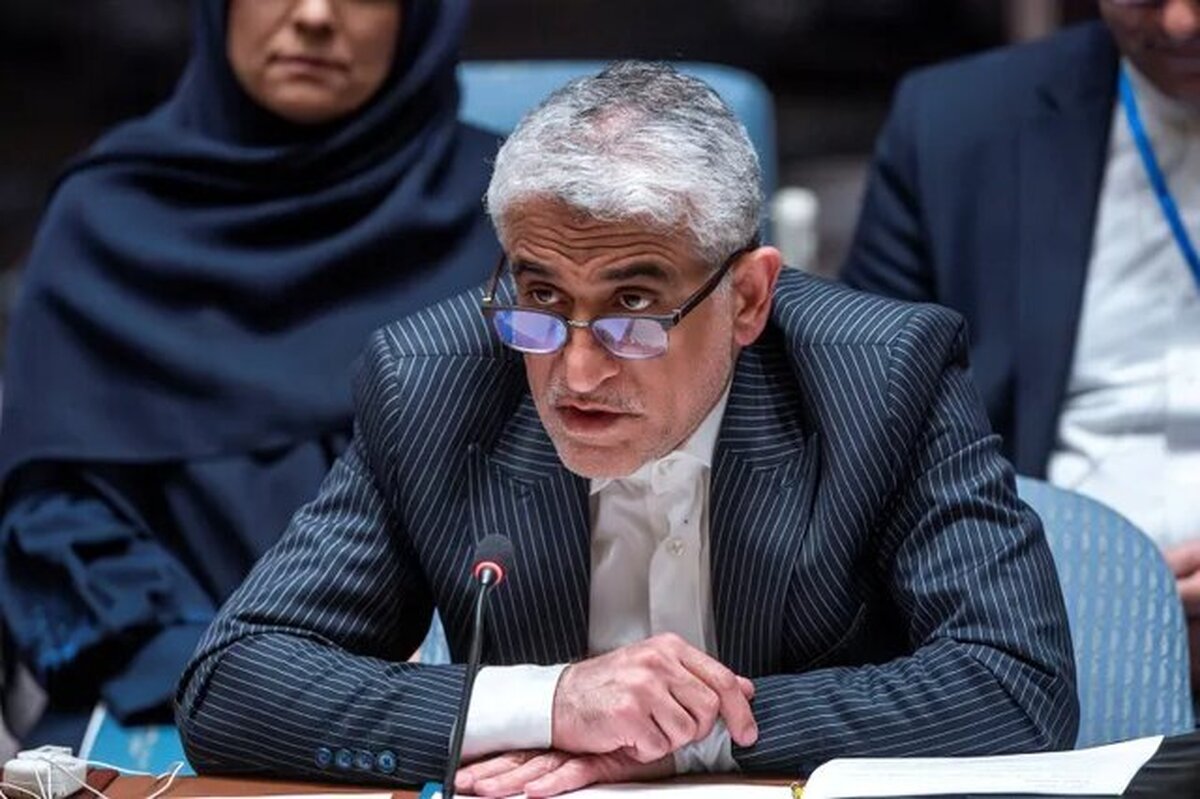
Iran’s Ambassador to the United Nations Amir Saeid Iravani said that the instability in energy markets and supply chains stems from military escalation led by the United States and Israel, along with their regional partners.
His remarks were reported by Iran’s state news agency IRNA.
Claims made at UN economic session
Speaking at a special session of the United Nations Economic and Social Council (ECOSOC) in New York, Iravani argued that recent tensions in the Strait of Hormuz have had serious global consequences, particularly for oil and shipping markets.
He said the disruptions were not isolated incidents but were directly linked to broader regional military developments and attacks on Iran’s energy infrastructure.
Iran links crisis to military escalation
According to the Iranian envoy, the economic fallout in global energy markets is the result of continued conflict escalation, which Iran says began with coordinated military actions against it.
He emphasized that Iran’s position is defensive and framed the situation as a reaction to external aggression rather than a unilateral escalation.
Iran’s Supreme Leader Says New Strait of Hormuz Policy Will Bring Stability
Strait of Hormuz remains a key flashpoint
The Strait of Hormuz is one of the world’s most important energy transit routes, with a significant share of global oil and liquefied natural gas passing through it under normal conditions.
Any disruption in the waterway has immediate effects on global energy prices and shipping insurance costs, making it a critical geopolitical chokepoint.
Iran signals conditional stability
Despite the tensions, Iravani said Iran remains willing to restore normal conditions in the Strait of Hormuz, provided that military aggression ends and restrictions on maritime activity are lifted.
This position suggests that Tehran views de-escalation as conditional on broader political and military developments in the region.
Ongoing regional uncertainty
The situation in and around the Strait of Hormuz continues to remain highly sensitive amid ongoing geopolitical tensions in the Middle East.
Analysts say that rhetoric from all sides reflects deep mistrust, and that any long-term stabilization of the region will likely require broader diplomatic agreements involving multiple regional and global actors.