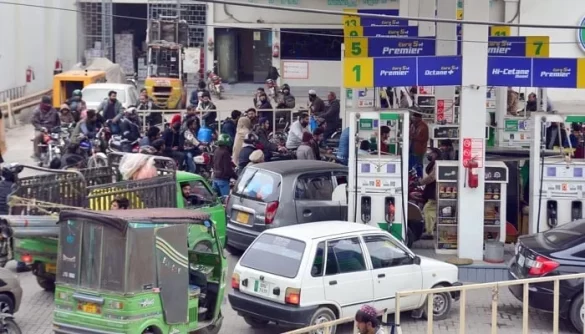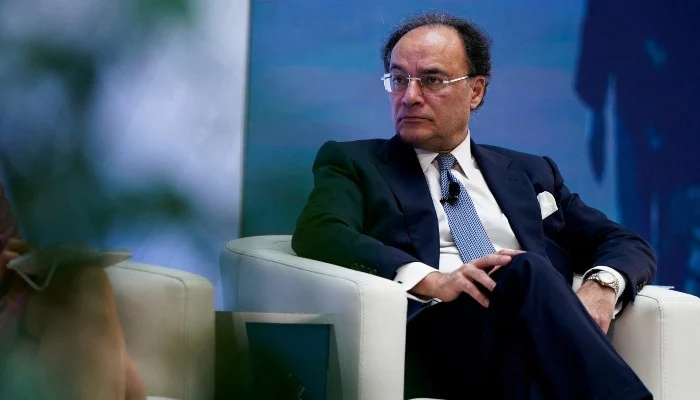
ISLAMABAD: The federal government has constituted a high-level committee under Finance Minister Muhammad Aurangzeb to examine alleged windfall profits of around Rs72 billion earned by Oil Marketing Companies (OMCs) and to review the existing cross-subsidy and petroleum pricing mechanisms ahead of the upcoming federal budget.
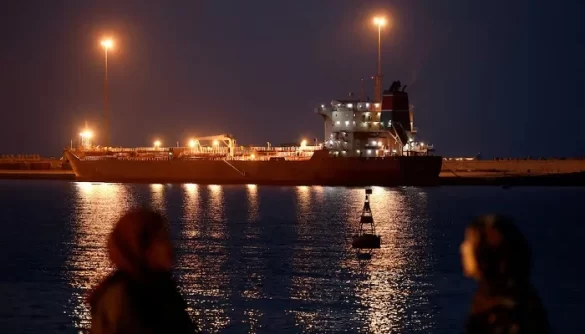
The committee has been tasked with assessing the impact of global oil price fluctuations—particularly those that followed geopolitical tensions in the Gulf region—and determining whether any excess gains were made through existing regulatory and subsidy frameworks.
Committee Composition and Mandate
According to official details, the committee will be chaired by Finance Minister Muhammad Aurangzeb and will include the ministers for economic affairs, planning, and law. A former bureaucrat, Musharraf Rasul, has been appointed as the chief technical adviser, while the additional secretary (budget) will also be part of the panel.
The committee has been empowered to co-opt additional technical experts and officials if needed.
Its broader mandate goes beyond petroleum-related issues, as it will also review key fiscal and economic proposals for the federal budget 2026–27. These include expenditure rationalisation, development spending priorities, energy sector reforms, and implementation of rightsizing measures across ministries.
Concerns Over Petroleum Pricing Mechanism
Sources cited in the report indicate that the Petroleum Development Levy (PDL) and Price Differential Claims (PDC) system—used to stabilise fuel prices—has remained controversial in recent years due to questions surrounding transparency and calculation methods.
In 2022, the estimated subsidy and PDC exposure reportedly reached between Rs100 billion and Rs150 billion. In 2026, weekly PDC liabilities were said to fluctuate between Rs23 billion and Rs48 billion, with per-litre claims in some cases estimated at Rs77.98 for petrol and Rs176.41 for high-speed diesel.
Pakistan Hopes to Host Next Round of Iran-US Talks “Very Soon,” Says PM Shehbaz
Officials and stakeholders have raised concerns that reimbursements may not have fully accounted for existing low-cost inventories already held by companies at the time of price adjustments, potentially leading to overcompensation.
Allegations of Fiscal and Regulatory Gaps
The report also highlights broader concerns that import patterns during subsidy periods may have been influenced by expectations of higher PDC recoveries, potentially increasing foreign exchange pressure on the economy.
In addition, the overlapping presence of high petroleum levies and substantial subsidy reimbursements has raised questions about pricing consistency and overall fiscal transparency.
Regulatory disagreements have also been reported in past years regarding the accuracy of calculated figures. In one instance cited for 2022, a senior regulatory member reportedly disagreed with the final calculations, although payments were still processed.
Wider Fiscal Implications
Analysts note that the issue extends beyond the petroleum sector, touching on broader governance and accountability challenges. These include audit verification processes, transparency in pricing formulas, and the effectiveness of oversight institutions.
The committee’s findings are expected to play an important role in shaping fuel pricing policy and budget decisions for 2026–27, particularly as the government seeks to balance fiscal constraints with inflationary pressures on consumers.
For now, the government has not announced a timeline for the committee’s final recommendations.