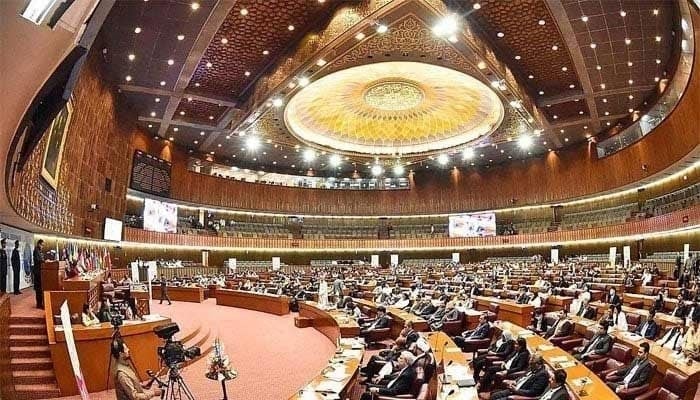
Differences within the ruling coalition have reportedly delayed the federal budget, with the government seeking approval of important legislative amendments before presenting its financial plan for the next fiscal year.
Budget Presentation Likely to Be Pushed Back
The federal government is likely to delay the presentation of the Budget 2026–27 as it attempts to secure parliamentary approval for key legislation ahead of the budget session, according to parliamentary sources.
Sources told media outlets that the budget, which was initially expected to be presented on June 5, may now be unveiled on June 10. The delay is reportedly linked to the government’s efforts to pass proposed amendments that could have a significant impact on fiscal and administrative measures planned for the upcoming financial year.
Coalition Differences Create Legislative Hurdles
According to parliamentary sources, the government is facing resistance from some of its coalition partners over the proposed legislative changes.
The main objection reportedly comes from the Pakistan Peoples Party (PPP), a key ally of the ruling coalition. Sources claim the party is not supportive of the proposed amendments and has communicated its reservations to the government.
The issue has gained additional attention after recent remarks by PPP Chairman Bilawal Bhutto Zardari during his election campaign visit to Gilgit-Baltistan, where he highlighted concerns related to governance, federal institutions, and regional autonomy.
Why the Legislation Matters
Parliamentary insiders say the government considers the proposed amendments essential for implementing certain policy changes in the next fiscal year.
According to the sources, failure to secure parliamentary approval before the budget session could prevent the government from introducing some of the planned reforms and financial measures contained in the upcoming budget.
As a result, efforts are reportedly underway to build consensus among coalition partners and resolve outstanding disagreements before the budget is tabled in parliament.
IMF Pushes for GST Hike to 19% as Pakistan Resists Budget Pressure
Government Attempts to Break the Deadlock
Sources indicate that senior political figures and intermediaries have been tasked with engaging the PPP leadership in an effort to reach a compromise.
The negotiations are said to be ongoing, reflecting the importance of coalition support for both legislative approval and the smooth passage of the federal budget.
Political observers note that coalition governments often require extensive consultation before major legislation can be enacted, particularly when fiscal and constitutional matters are involved.
MQM-P Also Reportedly Sets Conditions
Another coalition partner, the Muttahida Qaumi Movement Pakistan (MQM-P), has also reportedly linked its support for the budget to certain political demands.
According to parliamentary sources, senior MQM-P leader Farooq Sattar recently stated that his party’s support for the budget would be tied to the reappointment of Kamran Tessori as Governor of Sindh.
While no official agreement has been announced, the development highlights the broader political negotiations currently taking place within the ruling coalition.
Budget Discussions Enter Critical Phase
With only days remaining before the expected budget presentation, discussions between the government and its allies appear to have entered a crucial stage.
The outcome of these negotiations will likely determine not only the timing of the federal budget but also the scope of legislative and fiscal measures that the government can introduce in the coming financial year.
As parliamentary consultations continue, political and economic stakeholders are closely watching developments that could shape Pakistan’s fiscal policy and governance agenda for 2026–27.