A ceasefire proposal negotiated between Lebanon and Israel under US mediation has been rejected by Hezbollah, raising concerns that tensions along the Lebanon–Israel border could further escalate.
US-Brokered Proposal and Regional Context
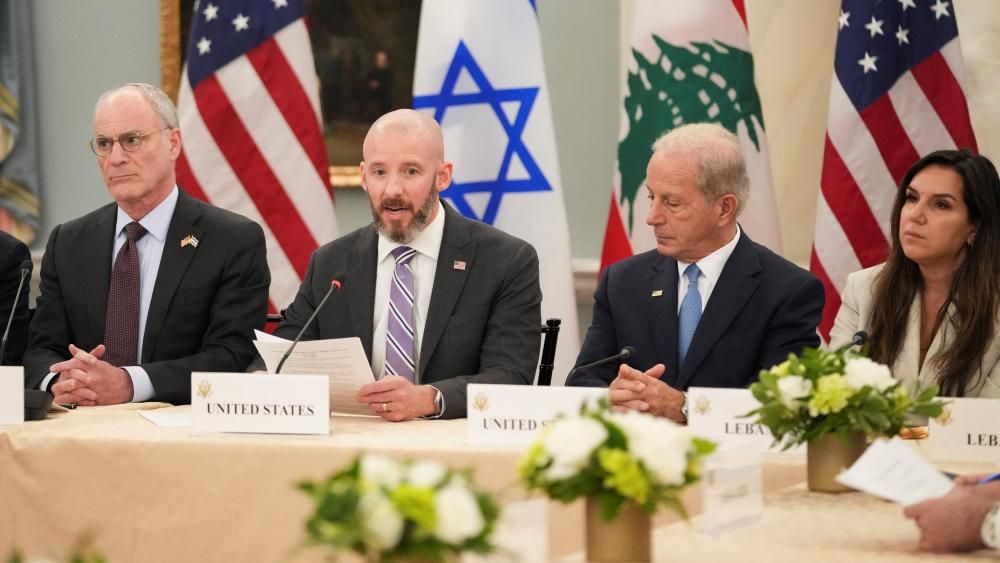
A ceasefire framework was reportedly discussed between Lebanese and Israeli officials with mediation from the United States. The aim of these talks was to reduce escalating cross-border violence and establish conditions for relative stability in the region.
However, Hezbollah was not a direct participant in these negotiations, and the group has firmly rejected the outcome of the discussions. Meanwhile, Israeli military operations in southern Lebanon have continued, further intensifying the already fragile situation on the ground.
Hezbollah’s Strong Rejection
Hezbollah Secretary-General Naim Qassem strongly criticized the proposed agreement, describing the Washington-backed declaration as deeply unjust. In his written statement, he claimed it amounted to “a roadmap for the annihilation of a section of the Lebanese people and the enslavement of the rest.”
Qassem emphasized that the negotiations were conducted without Hezbollah’s involvement and therefore lacked legitimacy from the group’s perspective. He reiterated that resistance would continue as long as what he described as “occupation” persists.
Israel and Lebanon Extend Ceasefire by 45 Days After US-Brokered Talks
Dispute Over Southern Lebanon
A key point of contention is the situation in southern Lebanon, where Israel has maintained a self-declared security zone. Israel argues that this presence is necessary to prevent attacks on northern Israeli communities from Hezbollah forces.
However, Hezbollah insists that any ceasefire arrangement must include a complete Israeli withdrawal from southern Lebanon. The group views the continued Israeli presence as occupation, making compromise highly unlikely under current conditions.
Rising Uncertainty in the Region
The gap between the positions of the involved parties highlights the difficulty of reaching a lasting agreement. While US-mediated efforts aim to stabilize the border, the absence of Hezbollah from direct negotiations and the ongoing military actions on both sides have significantly reduced the prospects of an immediate breakthrough.
As a result, the situation remains highly volatile, with observers warning that continued escalation could further destabilize the region in the coming days.