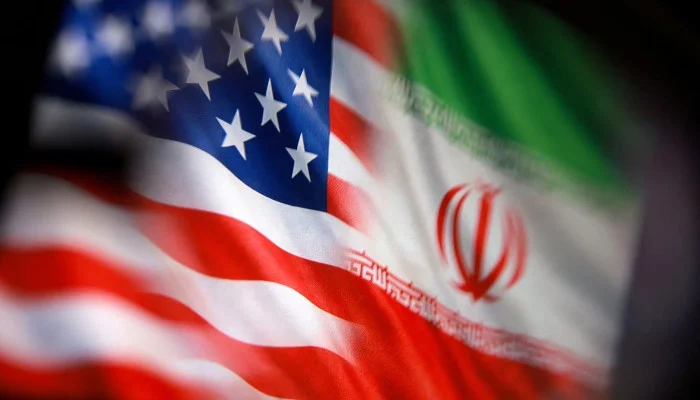
The United States and Iran are reported to be moving closer to a long-awaited framework agreement aimed at ending months of conflict and easing regional tensions.
According to multiple diplomatic sources, the proposed deal includes the release of frozen Iranian assets by the United States, along with the easing of sanctions on Iranian oil exports. In return, Iran would take steps related to reopening critical maritime routes and entering further negotiations on its nuclear programme.
Pakistani Prime Minister Shehbaz Sharif has said that both sides had agreed on a framework and that preparations were underway for an electronic signing, possibly as early as Sunday. However, official confirmation from Tehran has remained cautious.
Conflicting Statements Over Signing Timeline
While optimism has grown in Washington and among some regional mediators, Iranian officials have not confirmed a Sunday signing.
Iranian Foreign Ministry spokesperson Esmaeil Baghaei said the agreement would not be signed “tomorrow,” though he suggested it could happen in the coming days, reflecting ongoing uncertainty over the final timing.
Former US President Donald Trump also claimed that a signing was scheduled for Sunday, though Iranian authorities have not endorsed this timeline.
Key Elements of the Proposed Deal
At the center of the negotiations is the reopening of the Strait of Hormuz, a vital global oil transit corridor that had been heavily affected during the conflict.
Under the reported framework, Iran would reopen the strait and allow the resumption of maritime traffic, while the United States would lift its naval blockade and begin easing economic restrictions.
In addition, Washington is expected to release billions of dollars in frozen Iranian assets as part of the broader arrangement.
Officials say that more complex issues, particularly Iran’s nuclear programme, would be addressed in follow-up negotiations over a 60-day period after the initial agreement.
Nuclear Issue Remains Central Challenge
Despite progress toward a preliminary deal, major disagreements remain over Iran’s nuclear activities.
US officials have indicated that they seek the eventual dismantling of Iran’s nuclear programme, including the removal of highly enriched uranium stockpiles. Iranian officials, however, have pushed back against any full dismantling, insisting on maintaining certain capabilities under revised terms.
This gap continues to be one of the most sensitive and unresolved aspects of the negotiations.
US-Iran Peace Deal Could Be Signed Within 24 Hours, Says PM Shehbaz Sharif
Tensions Continue on the Ground
Even as diplomatic talks advance, military activity has not fully stopped.
Reports indicate continued drone interceptions near the Strait of Hormuz, while Israel has carried out strikes against targets linked to Iran’s regional allies in Lebanon. These developments highlight the fragile nature of the situation despite ongoing negotiations.
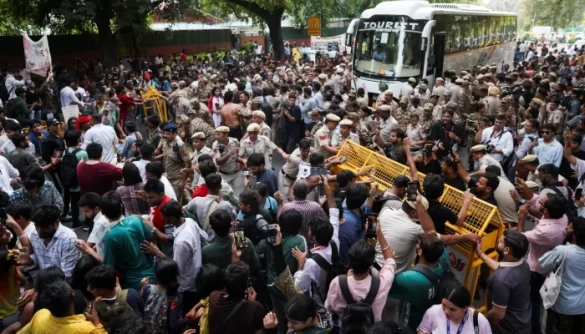
At the same time, internal divisions within Iran are also visible. Hardline groups have reportedly staged protests opposing any compromise, reflecting political tensions over the direction of foreign policy.
Regional and Global Stakes
The conflict has had wide-reaching consequences, disrupting global energy markets and raising concerns over maritime security in one of the world’s most important shipping lanes.
Before the war, the Strait of Hormuz accounted for roughly one-fifth of global oil shipments, making its stability a key priority for international markets.
Diplomatic sources suggest that while a preliminary framework could soon be finalized, the most difficult negotiations still lie ahead.
Although both sides appear closer than at any point in recent months, uncertainty remains over whether a final signing will take place on the expected timeline.
For now, the emerging framework represents a cautious step forward, but the path toward a comprehensive peace agreement remains complex and politically sensitive.