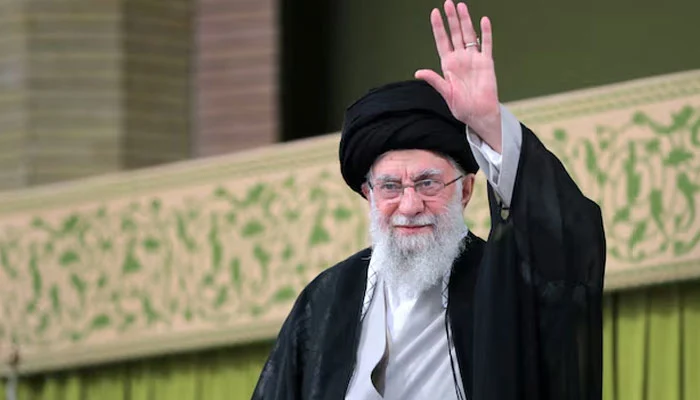
Iran’s state television has reported that the country’s late Supreme Leader Ali Khamenei will be buried on July 9, following a series of national funeral ceremonies scheduled earlier in the same month.
According to the report, the burial will take place in his hometown of Mashhad, a major religious city in northeastern Iran known for its significant Shia Islamic heritage. The ceremony had originally been planned for March but was postponed due to ongoing regional conflict.
The updated schedule now includes three days of funeral events in the capital city of Tehran beginning July 4, followed by a separate ceremony in the holy city of Qom on July 7.
Timing Coincides With US Independence Day
The initial day of the funeral ceremonies, July 4, will coincide with the United States’ Independence Day celebrations. This year, the occasion marks the 250th anniversary of American independence, adding symbolic timing to the announcement amid already heightened geopolitical sensitivities.
While Iranian state media did not directly link the timing to political considerations, the overlap has drawn attention due to ongoing tensions between Tehran and Washington in recent years.
Succession and Leadership Transition
Following the reported assassination of Ali Khamenei in airstrikes attributed to Israel and the United States on February 28, Iranian authorities announced a leadership transition within the country’s political-religious structure.
His son, Mojtaba Khamenei, is reported to have assumed the position of Supreme Leader in early March, becoming the third individual to hold the role since the establishment of the Islamic Republic in 1979.
Iran’s Supreme Leader Says New Strait of Hormuz Policy Will Bring Stability
State media reports indicate that Mojtaba Khamenei was injured during the same strikes that killed several senior officials. Since his reported appointment, he has not appeared publicly and is said to communicate primarily through official statements.
National Mourning and Public Observance
The upcoming funeral arrangements are expected to involve large-scale state participation, reflecting the political and religious significance of the Supreme Leader’s role in Iran’s governance structure.
While detailed security arrangements have not been publicly disclosed, state media reports suggest that ceremonies in Tehran, Qom, and Mashhad will be coordinated across multiple institutions.
The announcement marks one of the most significant political transitions in Iran in decades, with national observances expected to draw both domestic and international attention as the country prepares to lay its long-time leader to rest.