The federal government has revised its five-year privatisation programme, adding Pakistan’s three largest international airports to the list of state-owned assets planned for privatisation or restructuring. The updated roadmap also includes several power distribution companies, financial institutions, and other public sector enterprises as part of a broader economic reform strategy.
According to official documents cited by The News, the government aims to privatise or restructure 25 state-owned enterprises (SOEs) in three phases over the next five years.
Three Major Airports Added to the Plan
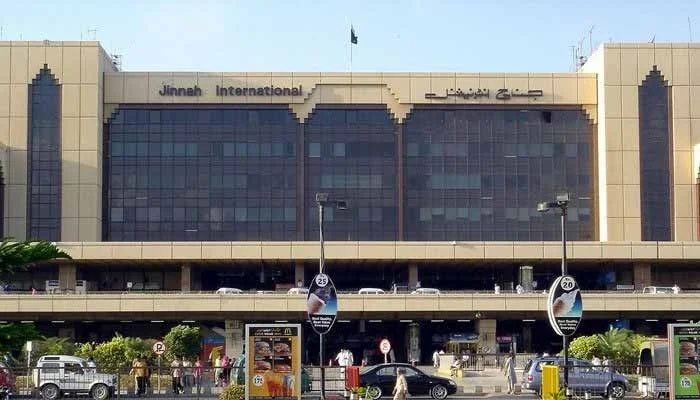
Under the revised programme, the government has included:
- Jinnah International Airport, Karachi
- Islamabad International Airport
- Allama Iqbal International Airport, Lahore
These airports were not included in the government’s earlier privatisation plan, making their addition one of the most significant changes to the updated roadmap.
The move reflects the government’s intention to increase private sector participation in the management and operation of major public infrastructure.
Privatisation to Be Carried Out in Three Phases
The revised strategy divides the programme into three stages.
The first phase, to be implemented over the next year, covers 11 state-owned entities.
The second phase, spanning one to three years, includes 13 organisations.
The third and final phase, expected within three to five years, consists of a single remaining entity.
Officials say the phased approach is intended to ensure an orderly implementation process while allowing adequate time for regulatory, financial, and legal requirements.
Entities Included in the First Phase
In addition to the three international airports, the first phase includes the privatisation or restructuring of:
- Islamabad Electric Supply Company (IESCO)
- Faisalabad Electric Supply Company (FESCO)
- Gujranwala Electric Power Company (GEPCO)
- Roosevelt Hotel, New York
- Zarai Taraqiati Bank Limited (ZTBL)
- House Building Finance Company (HBFC)
- Pakistan Engineering Company (PECO)
- Sindh Engineering Limited
The inclusion of the Roosevelt Hotel in New York reflects the government’s continued efforts to monetise overseas state-owned assets.
Pakistan Hands Over PIA Management to New Owner After First Financial Closing of Privatisation Deal
Second Phase Covers Power, Insurance and Retail Sectors
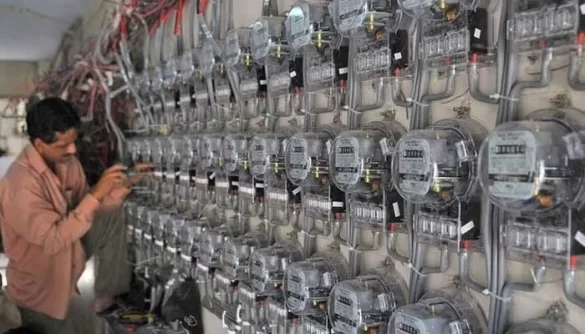
The second phase includes several electricity distribution and power generation companies, including:
- Lahore Electric Supply Company (LESCO)
- Multan Electric Power Company (MEPCO)
- Hyderabad Electric Supply Company (HESCO)
- Sukkur Electric Power Company (SEPCO)
- Peshawar Electric Supply Company (PESCO)
- Hazara Electric Supply Company (HAZECO)
Also included are:
- Utility Stores Corporation (USC)
- Jamshoro Power Company
- Central Power Generation Company Limited (CPGCL)
- Northern Power Generation Company Limited (NPGCL)
- Lakhra Power Generation Company Limited (LPGCL)
- State Life Insurance Corporation of Pakistan
- Pakistan Reinsurance Company Limited (PRCL)
Postal Life Insurance in Final Phase
According to the revised roadmap, Postal Life Insurance Company is the only organisation scheduled for privatisation during the third and final phase, which is expected to be completed within three to five years.
PIA and First Women Bank Excluded
The updated list does not include Pakistan International Airlines (PIA) or First Women Bank Limited (FWBL).
According to the government, both institutions have been excluded because their privatisation processes are considered complete.
Part of Broader Economic Reform Agenda
The revised privatisation programme forms part of the federal government’s wider economic reform strategy aimed at reducing the financial burden created by loss-making public sector enterprises.
Officials believe greater private sector participation can improve operational efficiency, attract domestic and foreign investment, strengthen corporate governance, and reduce pressure on the national budget.
The roadmap is also consistent with Pakistan’s broader structural reform commitments intended to improve fiscal sustainability and enhance the role of the private sector in driving long-term economic growth.