Pakistan Opts Out of High-Profile T20 Clash
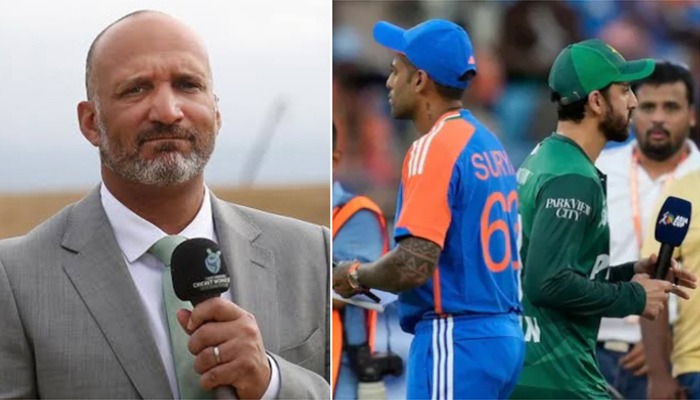
Former English cricketer Mark Butcher has praised Pakistan for its decision to withdraw from the T20 World Cup match against India, describing the move as truly remarkable. The announcement has triggered widespread discussion in cricketing circles and added a new layer of complexity to the tournament.
In a statement to the media, Butcher highlighted that the Pakistan-India matchup is one of the most commercially lucrative fixtures in cricket. He noted that the International Cricket Council (ICC) usually ensures both teams are placed in the same group to maximize viewership and revenue.
Let’s face it, Butcher said, the India-Pakistan clash is cricket’s most profitable game. The ICC always tries to make sure they face each other in group stages, benefiting broadcasters and sponsors.
Historical Context of Group Arrangements
Butcher pointed out that Pakistan and India being placed in the same group has long been a standard practice, often arranged at the expense of other teams’ schedules. He cited examples from previous tournaments, including the Champions Trophy, where special considerations were made for India, affecting the timetable of other competing teams.
India has historically had considerable influence over scheduling, Butcher said. Other teams, like Bangladesh in previous tournaments, have not received similar concessions.
Pakistan Takes a Firm Stand
According to Butcher, Pakistan’s decision not to play represents a rare and bold move in international cricket. India has generally dictated terms, and Pakistan has had to comply. This time, Pakistan has done something extraordinary, he remarked.
The former cricketer described the announcement as a shock for both the ICC and the Board of Control for Cricket in India (BCCI). He added that this decision was one of the few ways Pakistan could exert pressure on the governing bodies regarding its concerns.
Official Announcement and Immediate Fallout
The Government of Pakistan officially declared on Sunday, February 15, that the national cricket team would not participate in the scheduled T20 World Cup match against India. This announcement has created a tense situation for the ICC, which now faces logistical and political challenges in managing the tournament schedule.
The refusal to play has implications beyond just one match. Pakistan’s withdrawal could influence ticket sales, broadcasting rights, and tournament ratings, given the massive popularity of India-Pakistan encounters in global cricket.
ICC’s Challenge
The ICC is now tasked with addressing the sudden withdrawal. According to reports, the board is assessing potential adjustments to the group stage fixtures and exploring any regulatory measures that might apply. While the ICC has previously navigated political tensions between teams, the direct refusal of a high-profile match is a relatively rare occurrence in the history of the sport.
Cricket analysts suggest that Pakistan’s move could set a precedent for how political tensions influence international sports scheduling. The situation also highlights the ongoing challenge of balancing commercial interests with geopolitical sensitivities in global cricket.
Global Reaction
Reactions from cricketing experts and former players have been mixed. Some applaud Pakistan’s assertiveness, while others express concern over the impact on fans and tournament integrity. Nonetheless, Mark Butcher’s remarks underscore a growing recognition that Pakistan’s decision marks a significant moment in cricket diplomacy.
As the T20 World Cup progresses, all eyes will be on how the ICC manages the fallout and whether the move will lead to broader discussions on scheduling, fairness, and the influence of politics in sport.