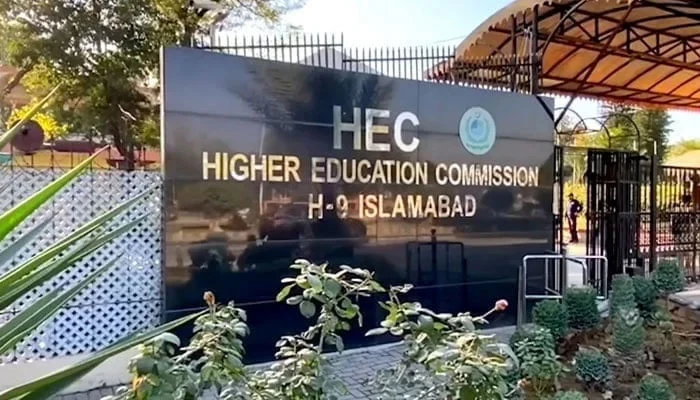
The Higher Education Commission (HEC) of Pakistan is preparing to launch a digital degree attestation system powered by blockchain technology. The initiative is designed to allow students and graduates to verify their academic credentials online without the need to visit HEC offices or submit physical documents.
Move Towards Fully Digital Verification
According to officials, the new system will enable applicants to submit attestation requests, track progress, and receive verified digital credentials through an online platform. The goal is to make the process faster, more transparent, and less dependent on manual paperwork.
Once implemented, the system is expected to particularly benefit students living in remote areas as well as those applying for jobs or further studies abroad, where degree verification often involves delays and logistical challenges.
Partnership for Platform Development
HEC has signed an agreement with CMPak and its joint venture partner Wibbow Technologies to develop the blockchain-based platform. The use of blockchain is expected to improve security and reduce the risk of document fraud by ensuring that academic records are tamper-proof and easily verifiable.
Punjab Moves to Unify Education Board Rules in Sweeping Reform
Officials have indicated that the platform is scheduled to become operational by June 30, 2026.
Background: Push for Faster Attestation
The move comes after repeated concerns raised about delays and complexity in the current attestation process. Earlier in February, the National Assembly’s Standing Committee on Government Assurances directed HEC to reduce the turnaround time for degree verification, describing the existing system as time-consuming and costly for students.
In response, HEC leadership informed the committee that a comprehensive digital transformation project was underway. This system is also expected to connect with around 25 universities initially, along with the Attestation Directorate of the Foreign Office.
Expected Benefits for Students
Once fully functional, the digital system is expected to bring several improvements, including:
- No requirement for physical visits to HEC offices
- Faster processing times for degree verification
- Easier access for overseas applicants
- Secure digital records that can be shared directly with institutions and employers
Looking Ahead
The HEC’s shift toward blockchain-based attestation reflects a broader trend of digital governance in Pakistan’s education sector. While the system is still under development, officials say it represents a significant step toward modernizing administrative processes and reducing bureaucratic delays.
If implemented as planned, the platform could streamline one of the most frequently used services by graduates and bring long-awaited efficiency to degree verification in the country.