Saudi Arabia has reportedly rejected an Israeli proposal to join the military campaign against Yemen’s Houthi group, despite efforts to secure Riyadh’s approval through US mediation, according to Israeli newspaper Haaretz.
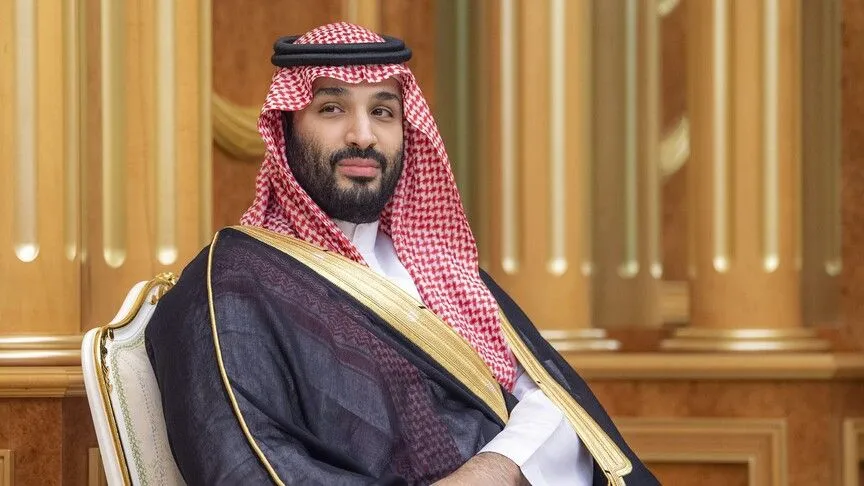
The report, published on Monday and citing an unnamed diplomatic source, said Saudi Crown Prince Mohammed bin Salman was not interested in Israeli military assistance because cooperation with Israel could trigger a negative reaction among the Saudi public.
A separate source familiar with the matter said Israel hoped joint military action against the Houthis would strengthen bilateral ties and potentially pave the way for a future normalisation agreement.
Saudi authorities had not immediately commented on the report as of Tuesday.
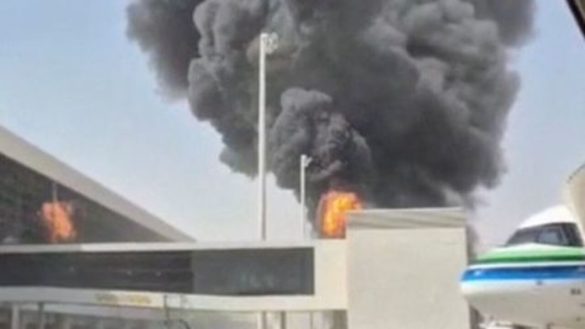
The reported rejection comes amid escalating Houthi attacks on Saudi Arabia, including strikes on airports that have caused casualties and severely disrupted air travel.
Saudi Arabia Maintains Conditions for Normalisation
Saudi Arabia does not have diplomatic relations with Israel and has maintained that normalising ties depends on resolving the Palestinian issue, including the establishment of an independent Palestinian state.
The reported Israeli proposal highlights the diplomatic challenges surrounding security cooperation between the two countries, even as they face overlapping regional security concerns.
According to Haaretz, Israel viewed military cooperation against the Houthis as a potential opportunity to improve relations with Riyadh. However, the reported concerns over public reaction suggest that such cooperation could carry significant political risks for Saudi Arabia.
The report did not indicate that Saudi Arabia had agreed to any joint military operation with Israel.
Houthi Attacks Disrupt Riyadh Airport
The diplomatic developments coincide with a sharp escalation in attacks attributed to Yemen’s Houthi movement, which has targeted Saudi territory, including the capital’s main airport.
An attack on King Khalid International Airport in Riyadh on Saturday killed 13 people and injured more than 300, according to reports cited by Reuters. A separate incident on Sunday killed a Pakistani resident and injured 11 others, according to Saudi aviation authorities.
Saudi authorities extended the suspension of operations at King Khalid International Airport until Saturday, October 17, to allow safety assessments and other procedures to be completed.
The Houthis subsequently claimed to have launched another ballistic missile towards Riyadh. Saudi Arabia said its air defences had intercepted and destroyed a missile fired towards the capital.
The group also claimed to have targeted an airbase in Khamis Mushait in southwestern Saudi Arabia with a drone. Saudi authorities had not immediately confirmed that claim.
Airlines Cancel Flights as Aviation Risks Grow
The continued attacks have caused widespread disruption to commercial aviation, forcing airlines to cancel services and reroute flights.
According to aviation analytics firm Cirium, cancellations across Saudi airports reached 46.4% on Monday. Flight-tracking data also showed aircraft avoiding Riyadh as airlines reassessed the risks associated with operating in the affected airspace.
Several international carriers have suspended or reduced services to Saudi Arabia.
Lufthansa Group cancelled its Riyadh flights through October 16, while Air France-KLM extended its suspension of services to and from the Saudi capital until the end of the month.
Houthi Strike on Riyadh Airport Kills 12, Injures More Than 300
Etihad Airways cancelled flights between Abu Dhabi and several Saudi cities, including Riyadh, while Qatar Airways temporarily suspended services to and from Riyadh and Dammam.
Delta Air Lines also postponed the planned launch of its Atlanta-to-Riyadh route, delaying the service until March 2027.
The US Federal Aviation Administration advised American carriers to exercise caution when flying to or over Saudi Arabia. European aviation authorities also expanded warnings concerning the regional security situation.
Aviation safety specialists have warned that sustained attacks affecting civilian airports could require airlines to reassess their routes across the wider Middle East.
Saudi Arabia’s Economic Outlook Faces Pressure
The aviation disruption has raised concerns about the broader economic consequences for Saudi Arabia, particularly as the kingdom seeks to attract international investment, business travel and major global events.
The cancellation of flights and uncertainty over regional airspace could affect business connections between Europe, Asia and the Gulf.
Several major events scheduled in Riyadh during October have also faced uncertainty amid the escalation, including the kingdom’s flagship investment conference and the WPC Energy Congress.
The situation presents a challenge for Saudi Arabia as it pursues economic diversification while managing growing security risks.
Trump Criticises Houthis but Gives No Specific Response
US President Donald Trump criticised the Houthis on Monday but did not announce specific measures in response to their attacks.
Asked by reporters at the White House what his administration planned to do about the group, Trump said the Houthis were “misbehaving very badly” and added that their actions were “no good.”
His remarks came as Washington faced growing questions about its response to the attacks and the risks they pose to Saudi Arabia and international aviation.
For now, the reported rejection of Israel’s offer underscores the political sensitivities surrounding potential military cooperation between Riyadh and Tel Aviv. At the same time, the continuing Houthi attacks have intensified pressure on Saudi authorities to protect critical infrastructure, restore air travel and prevent the conflict from causing further regional disruption.