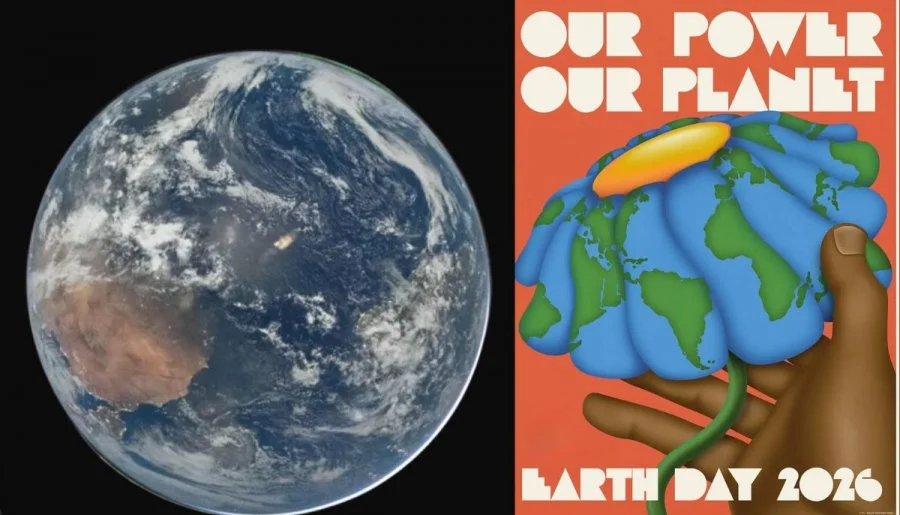
Earth Day is observed every year on April 22 as a global reminder of environmental protection and the need to safeguard the planet for future generations. The day highlights issues such as climate change, pollution, and biodiversity loss, while encouraging collective action to protect Earth.
The Origins of Earth Day
The idea of Earth Day dates back to the late 1960s, a period when environmental concerns were gaining attention in the United States due to rapid industrial growth and rising pollution levels.
A major influence was the book Silent Spring by Rachel Carson, which exposed the harmful effects of pesticides and helped spark environmental awareness among the public.
The initiative to create a formal environmental awareness day is credited to U.S. Senator Gaylord Nelson from Wisconsin. He was inspired after witnessing the damage caused by a massive oil spill off the coast of California in 1969, which polluted vast stretches of coastline.
How Earth Day Was Created
Senator Nelson proposed a nationwide environmental “teach-in,” similar to the student-led anti–Vietnam War discussions taking place on campuses at the time. The goal was to educate people about environmental issues through public participation.
He later worked with activist Denis Hayes to organize the first Earth Day, mobilizing universities, schools, and communities across the United States.
The first official Earth Day was held on April 22, 1970, and is widely considered the starting point of the modern environmental movement.
Why April 22 Was Chosen
The date was chosen strategically to maximize participation, especially among students. April 22 fell between spring break and final exams, making it an ideal time for campus involvement.
This scheduling helped ensure strong turnout, which contributed significantly to the success of the first Earth Day event.
Earth Day Today
Today, Earth Day has grown into a global event observed in more than 190 countries. Each year focuses on a specific theme that highlights urgent environmental concerns.
For 2026, the theme is “Our Power, Our Planet,” emphasizing the role of individuals, communities, and governments in driving sustainable change.
Why Earth Day Still Matters
Modern Earth Day celebrations come at a time when environmental challenges are intensifying. Issues such as climate change, deforestation, water scarcity, and air pollution continue to affect ecosystems and human life.
The day serves as both a reminder and a call to action—encouraging people to reduce environmental impact and adopt more sustainable practices.
A Global Message
From its origins in the United States to its worldwide recognition today, Earth Day has become a symbol of environmental responsibility. It reflects a shared understanding that protecting the planet is essential for the survival and well-being of all life on Earth.