Prime Minister Shehbaz Sharif has directed the digitisation of the National Tariff Commission (NTC), emphasizing the need to improve transparency, efficiency, and institutional standards. The move is part of a broader reform agenda aimed at strengthening Pakistan’s industrial sector and attracting both local and foreign investment.
Focus on Structural Reforms
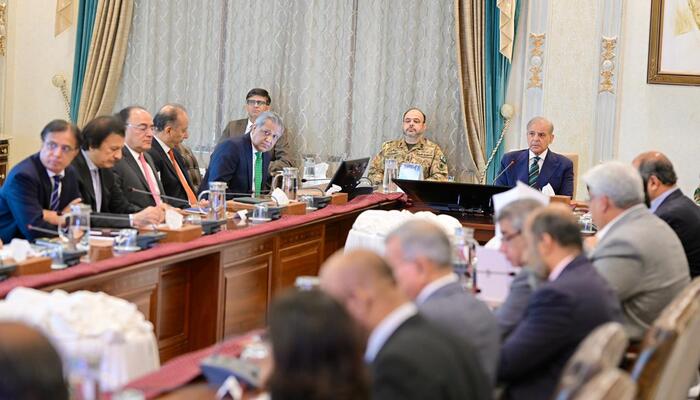
While chairing a high-level review meeting on NTC reforms, the prime minister stressed that restructuring the commission is essential for sustainable industrial growth. He instructed authorities to address the organisation’s legal and administrative challenges through a comprehensive and coordinated strategy.
The goal, he noted, is to create a more business-friendly environment that supports trade expansion and investment inflows.
Facilitating Investors and Industry
The prime minister directed officials to introduce special measures that would ease the concerns of investors and industrialists. These steps are intended to protect businesses from unnecessary legal hurdles and bureaucratic delays, which have often been cited as barriers to economic activity.
He also called for a detailed study of global best practices to ensure that the NTC’s performance aligns with international standards.
Embracing Technology and Innovation
A key element of the reform plan is the integration of modern technology into the commission’s operations. Prime Minister Shehbaz highlighted the importance of adopting tools such as information technology systems and artificial intelligence to improve efficiency and decision-making processes.
He further instructed that legal complexities within the NTC’s appellate tribunal be simplified to ensure quicker and more transparent resolution of disputes.
Capacity Building and Professional Expertise
The prime minister emphasized the need to train NTC staff according to international standards. He also recommended engaging professional experts who can provide practical guidance and support the implementation of reform measures.
Pakistan to Repay $4.8 Billion in External Obligations, Including UAE Debt
Such steps, he said, are crucial to building institutional capacity and ensuring long-term effectiveness.
Timely Disposal of Cases
Expressing concern over delays in case processing, Prime Minister Shehbaz ordered the establishment of a mechanism to ensure that all cases are resolved within a defined timeframe. This, he noted, would enhance confidence among businesses and investors.
Briefing and Participation
During the meeting, the NTC chairman presented an update on ongoing legal, administrative, and financial reforms being implemented under the approved roadmap.
The meeting was attended by key federal ministers, including Muhammad Aurangzeb, Jam Kamal Khan, Azam Nazeer Tarar, Musadiq Malik, and Ahad Khan Cheema, along with Special Assistant to the Prime Minister Haroon Akhtar and other senior officials.
The digitisation and restructuring of the National Tariff Commission mark an important step in Pakistan’s efforts to modernize its economic institutions. By improving transparency, reducing legal bottlenecks, and adopting global standards, the government aims to create a more competitive and investor-friendly environment in the country.