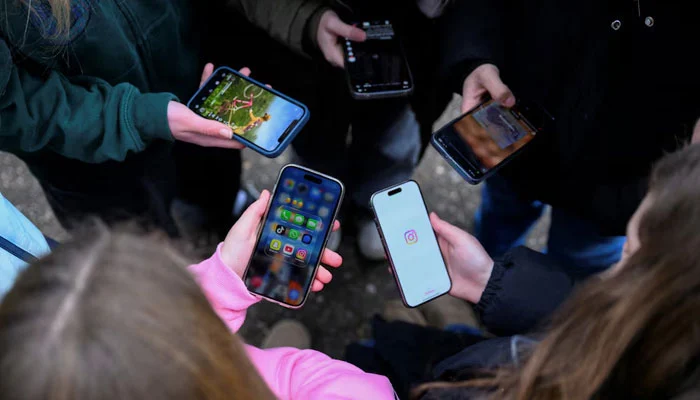
The European Union (EU) is moving toward introducing age-based restrictions on children’s access to social media, with European Commission President Ursula von der Leyen announcing that young people should be granted “phased and gradual access” to digital platforms rather than unrestricted use.
The proposal forms part of the EU’s broader effort to strengthen online child safety and reduce the risks associated with excessive social media use, including exposure to harmful content and addictive platform features.
Expert Panel Recommends Age-Based Access
To help shape future legislation, the European Commission appointed a panel of experts comprising doctors, academics, youth representatives, and parents. The group presented its recommendations on Monday.
According to the report, children should gain access to digital platforms based on their age and level of development rather than through a single minimum-age rule.
The panel recommended:
- No screen exposure for babies and toddlers.
- Supervised use of age-appropriate devices and social media for children aged 3 to 12 years.
- Gradually increasing independent access for teenagers aged 13 to 18, provided the platforms include strong safety features designed to protect young users.
“Age-Appropriate Restrictions” Under Consideration
Speaking after receiving the report, Ursula von der Leyen said there is broad agreement that a minimum starting age for social media access is necessary.
She stressed that the debate is not about whether children should ever use social media, but rather when and under what conditions digital platforms should be allowed to reach young users.
According to von der Leyen, the European Commission is expected to present a formal legal proposal during the second half of 2026, aiming to establish age-appropriate restrictions across the bloc.
France Approves Bill to Ban Social Media Use for Children Under 15
No Immediate Blanket Ban
Although several EU member states have advocated stricter measures, the expert panel did not recommend a complete ban on social media for minors.
Countries have proposed different minimum age limits. For example:
- Spain has proposed restricting social media access for children under 16.
- France has suggested a ban for those aged 15 and under.
- Estonia, meanwhile, has opposed introducing a blanket prohibition.
The European Commission said it will review these national proposals before drafting legislation designed to create a harmonized approach across all 27 EU member states.
Pressure Increases on Social Media Companies
Alongside possible age restrictions, the EU is intensifying efforts to hold technology companies accountable for the design of their platforms.
Von der Leyen said digital platforms should be required to demonstrate that their products do not harm children, arguing that companies developing online services should bear responsibility for user safety.
The European Commission has recently increased regulatory pressure on major social media companies. Last week, it urged Facebook and Instagram to remove features it considers addictive for young users, following a similar warning issued to TikTok earlier this year.
New Consumer Protection Rules Expected
EU Commissioner for Consumer Protection Michael McGrath said additional legislation expected later this year will provide stronger safeguards against manipulative and addictive digital design.
According to McGrath, many online services are designed to capture users’ attention and influence behaviour. The planned rules aim to ensure consumers—particularly children and teenagers—can make informed choices without being subjected to harmful design practices.
Growing Global Focus on Online Child Safety
The EU’s proposals reflect a broader international debate over how governments should regulate children’s use of social media. Several countries are considering stricter age-verification requirements and enhanced protections for minors as concerns grow over the effects of excessive screen time, cyberbullying, online exploitation, and addictive platform features.
If approved, the forthcoming EU legislation would establish a common framework for children’s access to social media across the bloc while placing greater legal responsibility on technology companies to create safer digital environments for young users.