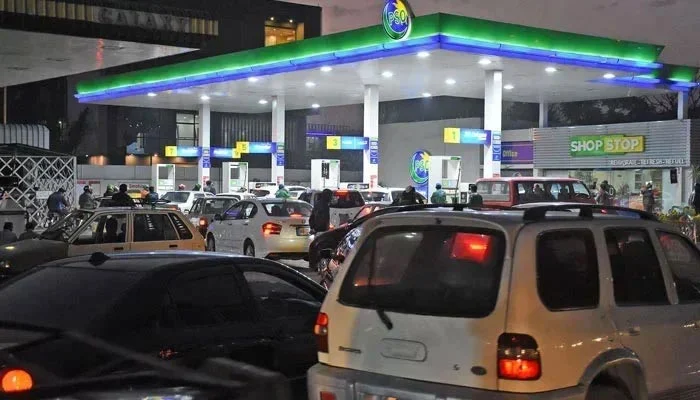
ISLAMABAD: The federal government is evaluating a proposal to introduce a daily petroleum price adjustment mechanism, under which the Oil and Gas Regulatory Authority (Ogra) would be solely responsible for determining the prices of motor spirit (petrol), high-speed diesel (HSD), light diesel oil (LDO), and kerosene oil (KO).
If approved, Ogra would announce revised fuel prices every night, with the new rates taking effect from 12:00am the following day. The proposal represents one of the most significant changes to Pakistan’s fuel pricing framework in recent years, aiming to make domestic prices more responsive to movements in international oil markets.
Major Shift From the Existing Pricing Process
At present, petroleum prices in Pakistan are revised weekly. Before the weekly mechanism was introduced, prices were adjusted on a fortnightly basis, while an even earlier system relied on monthly revisions.
Under the proposed framework, the existing process of circulating price summaries for approval would be eliminated. This means the Petroleum Division, Finance Division, and the Prime Minister’s Office would no longer have a direct role in the final determination of fuel prices, leaving the responsibility entirely with Ogra.
PM’s Committee Reviews New Pricing Models
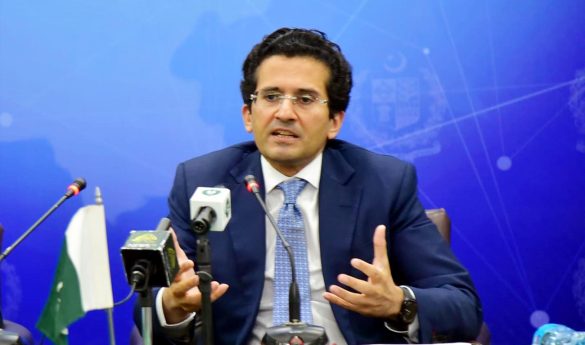
The proposal is being examined by a committee established by Prime Minister Shehbaz Sharif to review Pakistan’s petroleum pricing mechanism. The committee has held four meetings so far, with the latest taking place on July 13 under the chairmanship of Petroleum Minister Ali Pervaiz Malik.
The meeting was attended by Federal Minister for Economic Affairs Ahad Khan Cheema, Minister of State for Finance Bilal Azhar Kayani, Ogra Chairman Masroor Khan Nabeel Awan, representatives of Pakistan State Oil (PSO), the Ministry of Law and Justice, the Finance Division, the Petroleum Division, and officials from international consulting firm KPMG.
KPMG Presented Four Pricing Options
KPMG, which was hired by the Petroleum Division to evaluate future fuel pricing models, presented four possible mechanisms:
- Monthly pricing
- Fortnightly pricing
- Weekly pricing
- Daily pricing
The consultancy outlined the advantages and disadvantages of each option. According to sources, committee members have so far shown a preference for the daily pricing mechanism, although the proposed framework is expected to function as a hybrid system rather than a fully deregulated market.
Pakistan Establishes Petroleum Prices Stabilisation Fund to Manage Fuel Price Volatility
Hybrid Model to Give More Flexibility to Oil Companies
Under the proposed model, the government would stop determining the Inland Freight Equalisation Margin (IFEM), oil marketing companies’ (OMCs) margins, and dealers’ commissions.
Instead, OMCs would be allowed to set these components themselves, similar to the current pricing mechanism used for the High Octane Blending Component (HOBC).
However, Ogra would continue to regulate the sector by monitoring petroleum inventories maintained by OMCs, ensuring compliance with mandatory storage requirements, and preventing fuel hoarding or supply disruptions.
Stabilisation Fund Proposed to Protect Consumers
Another key feature of the proposed mechanism is the creation of a petroleum price stabilisation fund.
Under this proposal, when international crude oil and refined petroleum prices decline sharply, the resulting savings could be deposited into the fund. These reserves would then be used to cushion consumers against future price spikes caused by volatility in global energy markets.
Officials are also considering maintaining a price band of Rs275 to Rs325 per litre. If domestic fuel prices fall below Rs275 per litre, the savings could be transferred to the stabilisation fund. Conversely, if prices exceed Rs325 per litre due to external market shocks, the accumulated funds could be used to stabilise retail prices and reduce the financial burden on consumers.
Final Decision Yet to Be Made
The committee is expected to submit its recommendations to the prime minister after completing its review. If the proposal is approved, Pakistan could move to a daily fuel pricing mechanism for the first time, making domestic petroleum prices more closely aligned with international market trends while maintaining regulatory oversight through Ogra.