Indian education reformer and activist Sonam Wangchuk was shifted to a hospital after a 20-day hunger strike, following a Delhi High Court order citing concerns over his deteriorating health. The move has intensified debate over India’s examination system and sparked support from opposition leaders and student groups.
Hospital Shift Ordered Over Health Concerns
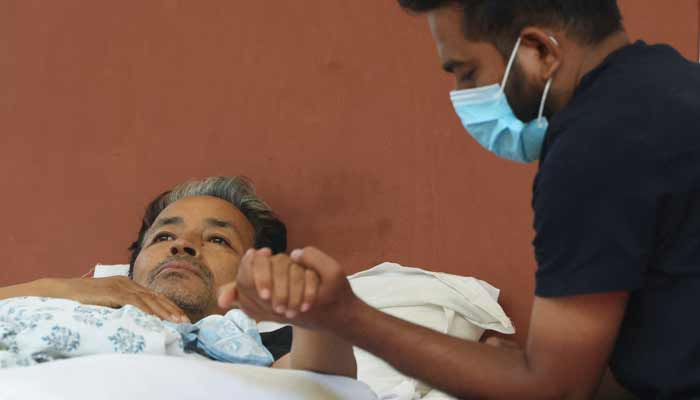
Indian activist and education reformer Sonam Wangchuk was moved to a hospital by Delhi Police on Saturday after completing 20 days of a hunger strike protesting alleged irregularities in India’s examination system.
According to Delhi Police, the decision was taken in compliance with a Delhi High Court order and on the advice of medical experts, who warned that Wangchuk’s health had significantly deteriorated.
The 59-year-old activist had been fasting since June 28, demanding the resignation of Education Minister Dharmendra Pradhan over alleged irregularities in medical entrance examinations.
Police Cite Court Order; Protesters Object
A deputy commissioner of Delhi Police said Wangchuk was shifted to the hospital to receive essential medical treatment as directed by the court.
Police stated that some protesters attempted to obstruct the transfer, leading to a brief commotion at the protest site. Authorities also appealed to demonstrators gathered at Jantar Mantar to vacate the area peacefully.
Videos circulating from the protest venue showed police officers surrounding Wangchuk with white sheets before quickly carrying him away from the stage, while supporters protested the move.
Abhijit Dipke;
“Until now, I was demanding Dharmendra Pradhan’s resignation, but after this despicable act,
We will now demand the resignation of Narendra Modi.”
pic.twitter.com/LCRxHFKks5— Cockroach Janta Party (@CJP_for_India) July 18, 2026
Court Emphasises Importance of Saving Life
Earlier this week, the Delhi High Court directed authorities to ensure that all necessary medical intervention be provided to save Wangchuk’s life.
The order followed a petition filed by activist lawyer Rakesh Kumar Saini, who warned that Wangchuk’s prolonged fast could become life-threatening if it continued.
A day earlier, another Delhi court had instructed government doctors to monitor Wangchuk’s health on a daily basis, stressing that “the life of any citizen is precious.”
Students Join the Protest Movement
Over the past several weeks, a few hundred students joined Wangchuk’s protest at Jantar Mantar in New Delhi. Additional demonstrations were also organised by the satirical online movement known as the Cockroach Janta Party (CJP).
Just hours before being taken to hospital, Wangchuk told supporters that even smaller public movements had brought down governments in India, adding that the current campaign was about protecting the country’s education system.
Viral Indian Gen Z Account Faces Controversy as Founder Alleges Threats and Crackdown
Background: India’s Examination Controversy
Wangchuk’s protest comes amid growing public anger over alleged irregularities in India’s competitive examination system.
Last month, approximately 2.2 million aspiring medical students were required to retake a national entrance examination after the original test was cancelled following a paper leak that triggered widespread criticism.
The controversy was further compounded by a separate marking dispute involving high school examinations, fuelling nationwide protests by students and increasing pressure on the government to improve transparency and accountability in the education system.
Opposition Parties Extend Support
Several opposition leaders and political parties have publicly expressed support for Wangchuk and the protesting students, arguing that the allegations surrounding the examination system deserve a thorough and transparent investigation.
Meanwhile, authorities maintain that Wangchuk’s transfer to the hospital was solely intended to protect his life and comply with judicial orders. His supporters, however, claim that he was taken to the hospital against his will.
The incident has once again placed India’s education system, student rights, and the balance between public protest and state intervention at the centre of national debate.