Tehran: Iran has announced that it is once again closing the Strait of Hormuz, linking the decision to renewed Israeli military strikes in Lebanon and alleged violations of a ceasefire agreement involving the United States and Israel.
The move comes at a sensitive moment, as negotiators were heading to Switzerland for follow-up talks aimed at stabilising a recently signed US–Iran understanding to end months of regional conflict.
Iran cites ceasefire violations in Lebanon
According to Iran’s central military command, the closure of the Strait of Hormuz was a response to what it described as repeated violations of a Lebanon ceasefire agreement.
Iran said Israel’s ongoing operations in southern Lebanon, along with what it called US failure to enforce commitments, amounted to a “breach of contract,” prompting Tehran to halt vessel traffic through the strategic waterway.
The Revolutionary Guards also issued warnings to commercial ships, stating that vessels entering the area could face security risks.
Strategic waterway under renewed tension
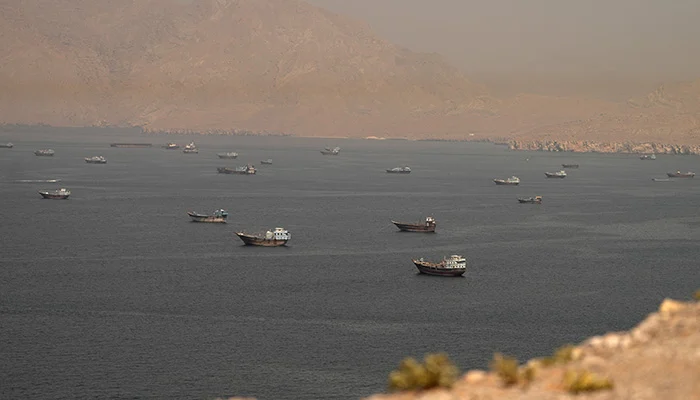
The Strait of Hormuz is one of the world’s most important oil transit routes, through which a significant portion of global energy supplies pass. Any disruption in the strait typically has immediate consequences for international oil markets and shipping insurance costs.
Iran had previously agreed under a preliminary US–Iran accord to reopen the waterway, and maritime traffic had begun to recover in recent days.
Following the latest announcement, the US Central Command said navigation through the strait remained “intact” and that American forces were monitoring the situation closely.
Diplomatic talks continue in Switzerland
Despite rising tensions, diplomatic efforts are still ongoing. An Iranian delegation, including senior officials such as Parliament Speaker Mohammad Bagher Ghalibaf and Foreign Minister Abbas Araghchi, travelled to Switzerland for scheduled discussions.
US Vice President JD Vance and other American negotiators are also expected to participate in talks focusing on two key issues: the Lebanon ceasefire situation and Iran’s nuclear programme.
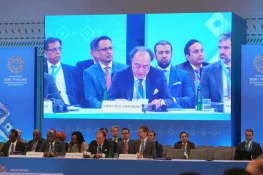
US and Iranian Delegations Meet Pakistani Mediators Ahead of Switzerland Talks
Pakistan, acting as a mediator alongside Qatar, is also involved in facilitating dialogue, according to official statements. The Swiss foreign ministry confirmed that international envoys are continuing efforts to maintain communication between the sides.
Fighting continues in Lebanon
Meanwhile, the situation in Lebanon remains unstable. Israel and Hezbollah have accused each other of violating ceasefire terms, with reports of continued clashes in southern regions.
Lebanese authorities have reported multiple casualties from recent airstrikes, while Israel says its forces are responding to rocket fire from Hezbollah positions.
The fragile truce has faced repeated setbacks since its announcement, raising concerns that the wider conflict could once again escalate.
Uncertain outlook for regional stability
The renewed closure of the Strait of Hormuz has added fresh uncertainty to already fragile diplomatic progress. Analysts warn that continued escalation in Lebanon and disputes over ceasefire implementation could undermine ongoing negotiations between Washington and Tehran.
For now, global attention remains focused on whether the upcoming Switzerland talks can prevent further deterioration of the situation and restore momentum toward a lasting settlement.