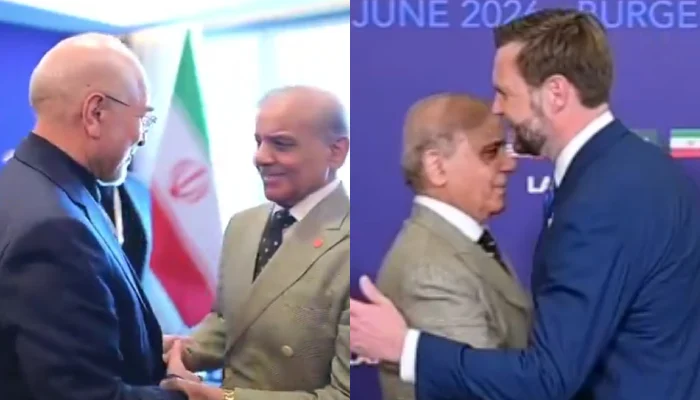
Delegations from the United States and Iran have met Pakistani mediators in Switzerland ahead of highly anticipated technical-level talks aimed at advancing the recently signed peace understanding between Washington and Tehran.
The meetings come after both sides signed the Islamabad Memorandum of Understanding (MoU), which was facilitated by Pakistan and is seen as the foundation for the ongoing diplomatic process to end months of conflict in the Middle East.
High-Level Meetings in Switzerland
According to officials, the US and Iranian delegations arrived in Switzerland for a series of structured discussions being referred to as the “Lake Lucerne Summit”, a four-day engagement focused on implementing the initial framework agreement.
Before formal negotiations begin, both sides separately met Pakistani mediators, who are playing a central facilitation role in the process.
The US delegation was led by Vice President JD Vance, along with special envoys Steve Witkoff and Jared Kushner. They held talks with Prime Minister Shehbaz Sharif and Chief of Defence Forces Field Marshal Asim Munir, who are part of the Pakistani mediation team.
Speaking briefly before the meeting, JD Vance praised Pakistan’s role in the diplomatic process, saying: “We love Pakistan,” while acknowledging its contribution to de-escalation efforts.
Iranian Side Engages with Mediators
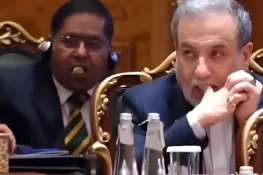
The Iranian delegation, led by Parliament Speaker Mohammad Bagher Ghalibaf and Foreign Minister Abbas Araghchi, also met Pakistani officials separately.
The Pakistani side included Prime Minister Shehbaz Sharif, Field Marshal Asim Munir, and Interior Minister Mohsin Naqvi, who has previously made multiple visits to Tehran as part of ongoing diplomatic engagement.
Officials said the meetings were aimed at ensuring coordination ahead of technical discussions between the two sides.
Switzerland to Host US–Iran Talks After Ceasefire Deal, Pakistan and Qatar to Mediate
Background to the Peace Process
The Switzerland talks follow the signing of the Islamabad MoU earlier this month, which marked a significant step toward ending the conflict that escalated after the US-Israeli military operations against Iran began on February 28.
Under the agreement, both sides committed to de-escalation measures, including provisions related to maritime security in the Strait of Hormuz, a key global energy route.
The MoU was later endorsed electronically by US President Donald Trump and Iranian President Masoud Pezeshkian, while Prime Minister Shehbaz Sharif signed it in his capacity as mediator.
Ongoing Tensions and Challenges
Despite progress in diplomatic engagement, the situation remains fragile. Reports of renewed strikes in Lebanon and fluctuating control over the Strait of Hormuz have raised concerns about the durability of the agreement.
Iran’s temporary closure of the strait earlier this week, following regional escalations, underscored the volatility surrounding the negotiations.
Pakistan’s Continued Diplomatic Role
Pakistan’s Foreign Office has described its involvement as a “principled, balanced and constructive” effort aimed at reducing tensions and supporting dialogue between the two sides.
Officials said Islamabad would continue to facilitate communication and support implementation of the understandings reached between Washington and Tehran.
The current talks are expected to focus on technical details of the agreement, with both sides aiming to preserve momentum and move toward a more comprehensive settlement in the coming weeks.