Nearly 8,000 people died or disappeared while attempting to migrate in 2025, according to new data released by the International Organization for Migration (IOM). The figures underline the continued dangers faced by migrants worldwide, particularly those attempting perilous sea crossings.
A Slight Decline, But Concerns Remain
The IOM reported a total of 7,904 deaths and disappearances last year. While this marks a decrease from the record 9,197 cases in 2024, officials caution that the drop may not reflect improved safety.
Experts say the lower number is partly due to around 1,500 suspected cases that could not be verified, largely because of reduced humanitarian resources and reporting capacity. As a result, the actual toll may be higher than recorded.
Sea Routes to Europe Among the Deadliest
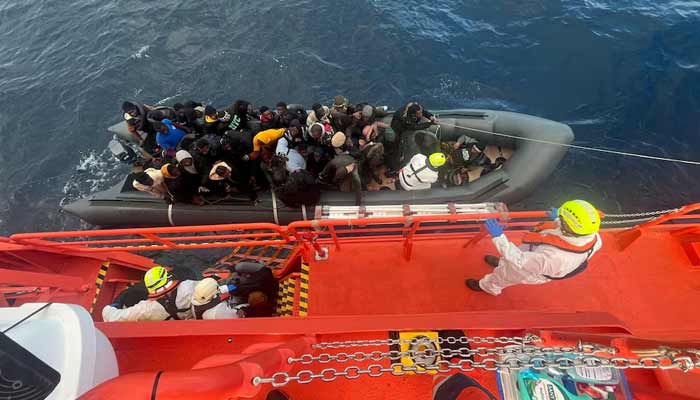
More than 40% of the recorded fatalities occurred along sea routes leading to Europe, making them the most dangerous migration pathways globally. Many of these tragedies involve overcrowded and unseaworthy boats attempting long and risky journeys.
The IOM highlighted the growing number of “invisible shipwrecks” — incidents where entire vessels disappear at sea without leaving any trace. In such cases, there are often no survivors or confirmed records, making it difficult to determine the true scale of loss.
Regional Hotspots and Shifting Routes
The West African migration route, particularly toward Europe, accounted for around 1,200 deaths. At the same time, Asia recorded a significant rise in fatalities, including among Rohingya refugees fleeing violence in Myanmar or difficult conditions in refugee camps in Bangladesh.
According to Amy Pope, migration routes are constantly shifting due to factors such as conflict, climate change, and stricter border policies. However, she stressed that the risks remain “very real” regardless of the route.
Legal Challenge Filed Against Trump Administration Over Suspension of Immigrant Visas
A “Collective Failure” to Prevent Tragedies
Maria Moita, who leads the agency’s humanitarian response division, described the figures as evidence of a broader global failure.
“These numbers reflect our collective inability to prevent such tragedies,” she said during a briefing, emphasizing that each statistic represents a human life lost and families left without answers.
Human Cost Behind the Numbers
Beyond the statistics, the report highlights the emotional and social toll of migration deaths. Families often wait indefinitely for news of loved ones who never arrive, especially in cases where no remains are found.
The term “invisible shipwrecks” captures this reality — tragedies that occur out of sight, leaving no closure for those left behind.
Ongoing Global Challenge
The findings reinforce the urgency of addressing migration through safer pathways, stronger international cooperation, and better protection for vulnerable populations.
While migration continues to be driven by conflict, poverty, and environmental pressures, experts warn that without meaningful policy changes, such deadly journeys are likely to persist.