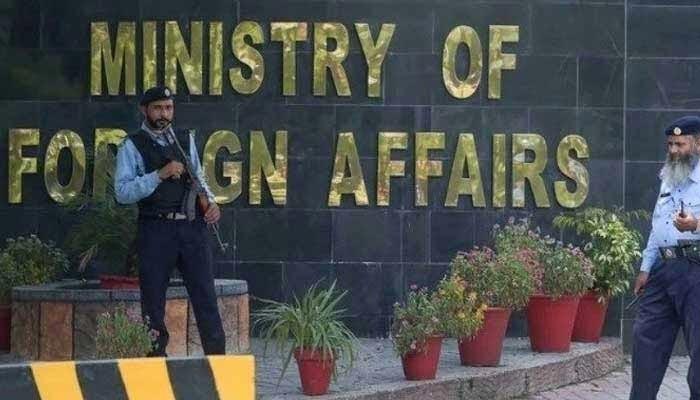
Pakistan on Wednesday rejected India’s criticism of its recent military strikes targeting what Islamabad described as terrorist infrastructure inside Afghanistan, calling New Delhi’s statement “baseless” and “preposterous.”
In an official statement posted on X, Foreign Office spokesperson Tahir Andrabi said Pakistan’s actions were “legitimate, targeted, and proportionate,” arguing that they were carried out in response to security threats originating from across the border.
Foreign Office Responds to India’s Statement
According to the Foreign Office, Pakistan views India’s remarks as unfounded and inconsistent with its own regional record.
Andrabi accused India of historically interfering in the affairs of neighbouring countries and said Pakistan’s military actions were conducted in accordance with international law to safeguard its citizens.
The spokesperson also reiterated Pakistan’s longstanding position on Indian-administered Kashmir, stating that the issue should be resolved in line with relevant United Nations resolutions.
In addition, he accused India of supporting militant groups operating from Afghan territory against Pakistan, alleging that such activities violate the United Nations Security Council sanctions regime. India has consistently rejected similar allegations made by Pakistan.
Pakistan Reaffirms Commitment to National Security
The Foreign Office said Pakistan would continue to take all necessary and lawful measures to ensure the safety and security of its people.
Officials maintained that counterterrorism operations would remain focused on addressing threats posed by militant groups that Islamabad says operate from across the Pakistan-Afghanistan border.
Background to the Military Operation
The statement follows military strikes carried out overnight between June 28 and 29, which Pakistani authorities said targeted militant camps and hideouts in border regions of Afghanistan.
According to Information Minister Attaullah Tarar, the strikes were launched under Operation Ghazab lil-Haq after a series of militant attacks inside Pakistan, including incidents in Khyber Pakhtunkhwa, Balochistan, and an attack on a Pakistan Rangers camp in Karachi.
Mohmand Operation: Afghan National Among Two Militants Killed, Security Sources Say
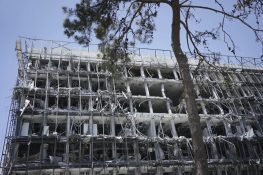
Tarar said three targets located in Paktia, Paktika, and Kunar provinces were struck, resulting in the deaths of militants and the destruction of weapons and ammunition stored at the sites. Pakistani officials said the operation was aimed at dismantling terrorist infrastructure allegedly linked to attacks inside Pakistan.
The Afghan authorities have previously criticized similar cross-border operations, raising concerns over violations of Afghanistan’s sovereignty.
Rising Security Challenges Along the Border
Pakistan has experienced an increase in militant violence, particularly in Khyber Pakhtunkhwa and Balochistan, in recent years. Islamabad has repeatedly stated that several militant groups use Afghan territory to launch attacks inside Pakistan, a claim that the Afghan Taliban administration has denied.
Relations between Islamabad and Kabul have remained strained despite multiple rounds of diplomatic engagement. Border tensions have periodically escalated, with both sides exchanging accusations over cross-border security incidents and the presence of armed groups operating near the frontier.
Pakistan has maintained that it will continue pursuing counterterrorism measures while emphasizing that its actions are intended to protect national security and are consistent with international law.