ISLAMABAD: Pakistan has reaffirmed its support for Saudi Arabia amid regional security challenges, with Petroleum Minister Ali Pervaiz Malik condemning Houthi attacks on Saudi territory and calling for stronger cooperation in the energy sector.
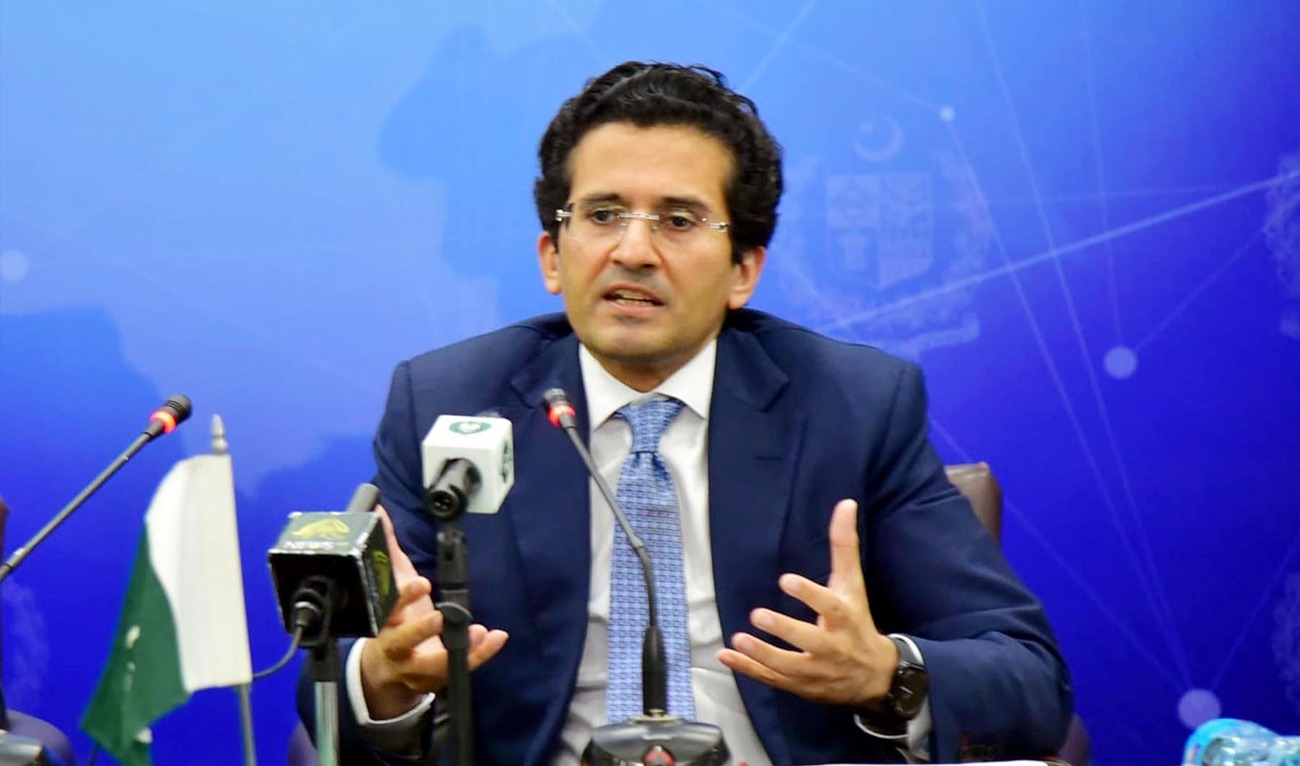
“Pakistan strongly condemns the terrorist attacks by the Houthi militia on Saudi soil,” Malik said, expressing solidarity with the Kingdom and offering condolences over the loss of lives.
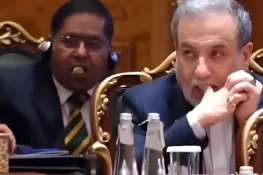
He made the remarks while addressing a plenary session titled Investment and Trade in Sustainable Energy Solutions: Making Energy Clean, Accessible and Affordable at the 17th International Energy Forum (IEF) Ministerial Meeting in Riyadh.
According to an official statement, Malik attended the meeting at the invitation of Saudi Energy Minister Prince Abdulaziz bin Salman bin Abdulaziz Al Saud. He said his participation reflected Pakistan’s commitment to standing with Saudi Arabia, in line with the instructions of Prime Minister Shehbaz Sharif and Chief of Defence Forces Field Marshal Asim Munir.
Pakistan Calls for Balanced Global Energy Investment
Addressing the forum, Malik said the global energy sector was entering a new investment cycle in which energy security, affordability and sustainability needed to progress together.
He stressed that investment should extend beyond renewable energy to include hydrocarbons, critical minerals and essential infrastructure such as electricity grids and pipelines.
The minister said a reliable global energy system required a balanced approach that could meet growing demand while maintaining affordable supplies and supporting long-term sustainability.
He also highlighted the impact of the unprecedented global energy supply shock of 2026, saying the disruption had extended beyond oil and gas to affect shipping and insurance.
Gulf Cooperation Helps Pakistan Navigate Energy Crisis
Malik said Pakistan had managed the global energy crisis without introducing rationing of major energy sources, despite its heavy dependence on imported energy.
He attributed the outcome to the government’s response and cooperation from friendly countries, particularly Saudi Arabia, Qatar and Kuwait.
The petroleum minister also thanked Prince Abdulaziz bin Salman for personally guiding energy cooperation between Pakistan and Saudi Arabia.
His remarks underscored Islamabad’s interest in strengthening partnerships with Gulf countries to reduce exposure to international supply disruptions and improve the reliability of energy imports.
Pakistan and Libya Explore Oil Cooperation
On the sidelines of the IEF meeting, Malik met Libyan Minister of Oil and Gas Khalifa Rajab Abdulsadek to discuss ways to expand bilateral cooperation in the oil and gas sector.
During the meeting, Malik informed his counterpart that Pakistan had encouraged domestic refineries to explore importing Libyan crude oil.
The initiative is aimed at diversifying Pakistan’s sources of crude oil and strengthening its energy security by reducing reliance on a limited number of supply routes and suppliers.
Pakistan, Saudi Arabia and Turkiye vow rapid force deployment under Makkah pact
Malik said Pakistan wanted to maintain alternative supply options in case of disruptions to key maritime routes, including the Strait of Hormuz and the Bab al-Mandab Strait.
Both waterways are important to international energy transportation, making supply diversification a significant consideration for countries dependent on imported fuel.
Pakistan Seeks Deeper LNG Cooperation With Qatar
Malik also held a detailed breakfast meeting with Qatar’s Energy Minister Saad Sherida Al-Kaabi to discuss potential cooperation in the liquefied natural gas (LNG) sector.
The discussions reflected Pakistan’s interest in strengthening its energy relationship with Qatar, a major participant in the international LNG market.
Greater cooperation in the sector could help Pakistan explore additional options for securing natural gas supplies as it works to manage energy demand and external supply risks.
Separately, Turkish Energy Minister Alparslan Bayraktar met Malik on the sidelines of the forum.
Energy Security Remains a Key Priority
Malik’s meetings in Riyadh highlighted Pakistan’s efforts to strengthen energy partnerships across the Middle East and beyond.
By exploring crude oil imports from Libya, discussing LNG cooperation with Qatar and reaffirming ties with Saudi Arabia, Islamabad is seeking to broaden its supply options and reduce the risks associated with disruptions to international shipping routes.
The discussions also reinforced Pakistan’s position that energy security, affordability and sustainability must remain central to future investment and international cooperation.