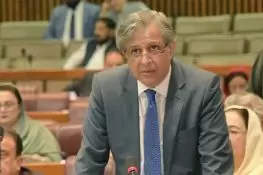
Deputy Prime Minister and Foreign Minister Ishaq Dar has said that while the upcoming phase of negotiations between the United States and Iran is expected to be more difficult, he remains optimistic that both sides can eventually reach a final agreement.
Speaking to an Arab media outlet, Dar noted that the first round of discussions had produced encouraging results and helped establish a framework for future engagement. However, he cautioned that the remaining issues are more complex and will require detailed technical and political negotiations.
According to Dar, the diplomatic process has entered a crucial stage where both countries must address sensitive matters related to Iran’s nuclear programme, regional security concerns, and economic issues.
Iran to Reduce Uranium Enrichment Levels
One of the key topics discussed during the negotiations was Iran’s uranium enrichment programme.
Dar revealed that Iran has agreed to reduce the level of uranium enrichment rather than transfer its enriched uranium stockpiles abroad. The United States had initially sought the removal of those reserves from Iranian territory, but discussions have since moved toward finding a mutually acceptable solution.
The issue remains one of the most important aspects of the broader negotiations, as Washington and its allies have long expressed concerns about Iran’s nuclear activities, while Tehran insists its programme is intended for peaceful purposes.
Three Technical Working Groups to Address Key Issues
To move the process forward, Dar said three separate technical working groups will be established.
The first group will focus on nuclear-related matters, including uranium enrichment and verification mechanisms. The second group will deal with Iran’s frozen assets and broader economic concerns. The third will address developments in Lebanon and regional security issues that continue to affect stability in the Middle East.
These teams are expected to hold detailed discussions over the coming weeks and develop recommendations that could form the basis of a final agreement.
Strait of Hormuz Transit Arrangement
Dar also disclosed an important understanding reached during the negotiations regarding the Strait of Hormuz, one of the world’s most strategically important maritime routes.
Under the arrangement, vessels passing through the strait will be allowed to transit for 60 days without any additional tariffs. Ships will only be required to pay standard navigation and service charges.
The measure is intended to reassure global markets and ensure uninterrupted energy supplies, as a significant portion of the world’s oil exports passes through the waterway.
Trump Warns Iran of Renewed Military Action Amid Switzerland Peace Talks
Regional Support for the Diplomatic Process
According to Dar, US President Donald Trump personally oversaw the diplomatic engagement between Washington and Tehran. He added that several regional countries played supportive roles throughout the process.
Saudi Arabia, Qatar, Egypt, and the United Arab Emirates all backed the mediation efforts, while Pakistan and Qatar acted as key facilitators in bringing the two sides together.
Dar described the overall arrangement as constructive and said it contains “no negative points,” reflecting a shared desire among all parties to avoid further escalation and pursue a peaceful settlement.
Progress Made in Switzerland Talks
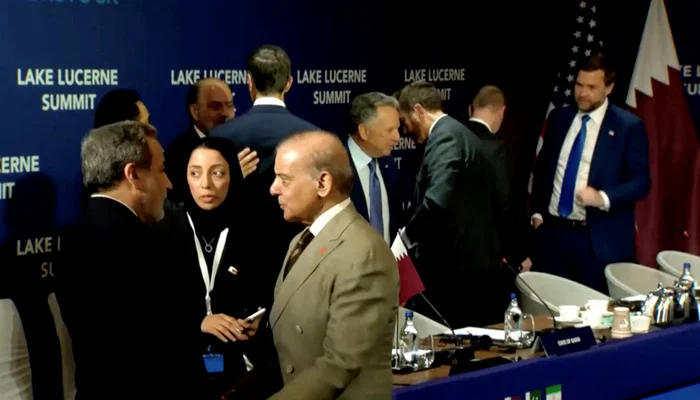
The latest comments come after the first round of US-Iran talks in Switzerland, where mediators reported “encouraging progress” toward a broader peace agreement.
Following the discussions, Pakistan and Qatar announced that Washington and Tehran had agreed on a 60-day roadmap aimed at achieving a final deal. Technical-level negotiations are expected to continue throughout the week at the Buergenstock resort in Switzerland.
The parties also agreed on mechanisms to help reduce tensions in Lebanon and establish communication channels to ensure safe passage for commercial shipping through the Strait of Hormuz.
Pakistan Reaffirms Commitment to Diplomacy
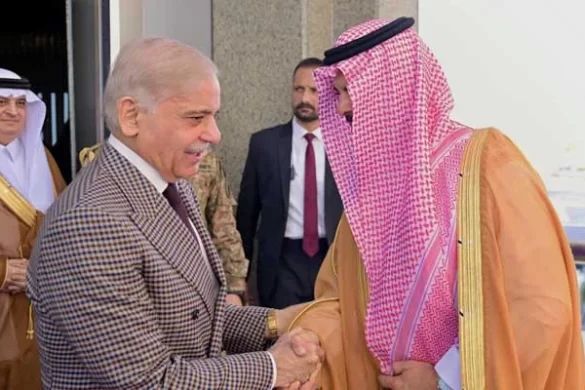
Prime Minister Shehbaz Sharif welcomed the progress achieved during the talks and reiterated Pakistan’s commitment to supporting dialogue and diplomacy.
He praised both the United States and Iran for maintaining constructive engagement despite significant differences and thanked Qatar and Switzerland for their roles in facilitating the negotiations.
While substantial challenges remain, officials involved in the process believe the recent talks have laid a solid foundation for future discussions. If the current momentum continues, the coming weeks could prove decisive in determining whether Washington and Tehran can transform the 60-day roadmap into a comprehensive and lasting agreement.