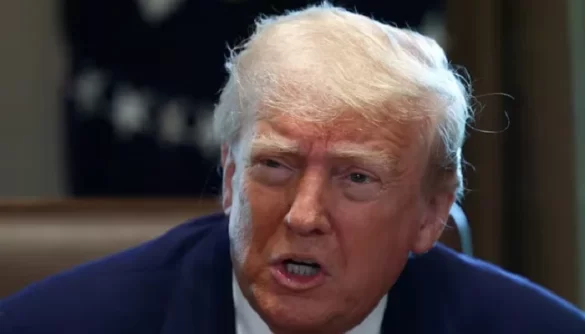
A sudden policy shift by US President Donald Trump has reportedly led to the suspension of the “Project Freedom” operation in the Strait of Hormuz, following objections from Saudi Arabia and other Gulf allies, according to a report by NBC News citing two US officials.
The operation was originally designed to support and escort commercial ships through the strategically vital waterway amid escalating regional tensions.
Saudi Arabia’s Response and Airspace Restrictions
According to the report, Saudi Arabia objected strongly after the announcement of the operation was made publicly. The Saudi leadership reportedly informed Washington that it would not allow US military aircraft to operate from Prince Sultan Air Base or use Saudi airspace in support of the mission.
The decision marked a significant diplomatic setback for the US operation, as access to regional airspace and bases is considered critical for coordinated military logistics in the Gulf.
Failed High-Level Diplomatic Call
The situation reportedly escalated further after a phone call between Trump and Saudi Crown Prince Mohammed bin Salman failed to resolve the disagreement.
Officials said the call did not ease Saudi concerns over the scope and timing of the operation. As a result, Trump decided to temporarily suspend the initiative in an effort to restore cooperation and maintain access to key regional facilities.
Gulf Allies Taken by Surprise
The announcement of “Project Freedom” on social media reportedly caught several Gulf partners off guard. Some regional governments were not fully briefed before the operation was publicly declared, creating confusion among allies already navigating heightened tensions in the Strait of Hormuz.
Trump Pauses ‘Project Freedom’ Hormuz Mission After Pakistan’s Request
Officials also noted that Trump held discussions with Qatari leadership after the operation had already begun, further highlighting the lack of coordinated regional planning.
Strategic Importance of the Strait of Hormuz
The Strait of Hormuz remains one of the world’s most critical maritime chokepoints, handling a significant portion of global oil exports. Any disruption in the area has immediate consequences for global energy prices and international shipping routes.
Because of its strategic importance, the region often becomes a focal point for diplomatic negotiations involving the United States, Gulf states, and Iran.
Growing Diplomatic Complexity
The reported reversal reflects the broader challenges facing US foreign policy in the region, where military operations often depend on close cooperation with Gulf allies.
Analysts suggest that the disagreement highlights underlying tensions even among traditional partners, particularly when rapid military or strategic decisions are announced without prior consultation.
While the operation has been paused, officials indicate that diplomatic efforts are ongoing to restore coordination and reassess the future of maritime security in the Gulf.