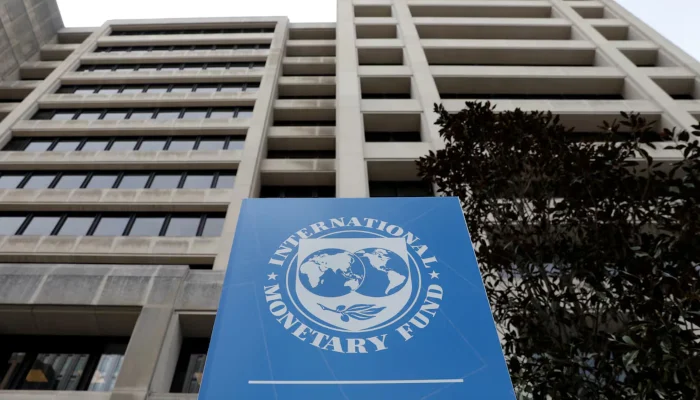
Pakistan and the International Monetary Fund (IMF) have reportedly reached a broad understanding on the macroeconomic framework for the upcoming 2026–27 federal budget, setting key targets for growth, inflation, fiscal balance, and provincial revenue efforts, according to the Finance Ministry.
GDP Growth and Inflation Targets
Under the proposed framework, the Finance Ministry has projected:
- Real GDP growth: 4.1%
- Average inflation (CPI): 8.6%
These projections were discussed with the IMF team, which had a slightly more conservative outlook, estimating growth at around 3.5% and inflation at 8.4%, reflecting concerns about persistent global fuel prices and domestic cost pressures.
Independent economists, however, remain cautious and warn that inflation could average as high as 11%, especially if energy costs and monetary tightening pressures persist into the next fiscal year.
Fiscal Discipline and Primary Balance Target
A key component of the agreement is the primary balance target of 2% of GDP, equivalent to approximately Rs2.9 trillion. This target reflects the IMF’s continued emphasis on fiscal consolidation and reducing the fiscal deficit through improved revenue collection and controlled spending.
Finance Minister Muhammad Aurangzeb also held discussions with provincial finance ministers, urging them to collectively generate an additional Rs400 billion in revenue to support the overall fiscal framework.
Pakistan Receives $1.32bn IMF Tranche, Says State Bank
External Account Outlook
The current account deficit is projected to remain manageable at around $4 billion, or less than 1% of GDP. This is expected to be supported by:
- Exports: around $35 billion
- Imports: approximately $70 billion
- Remittances: about $42 billion
Officials view these figures as part of a stabilising external sector, although global commodity price volatility remains a risk.
Provincial Revenue and Tax Reforms
A significant part of the IMF-backed plan involves stronger provincial revenue mobilisation. Provinces are expected to:
- Expand GST on services across more sectors
- Improve enforcement mechanisms and digital tax systems
- Implement Agricultural Income Tax (AIT) reforms, with revenue effects expected in FY27
The provinces are also expected to increase coordination with the Federal Board of Revenue (FBR) through data sharing and automation to improve compliance and reduce leakages.
IMF Oversight and Policy Coordination
The IMF has emphasised that all provinces must ensure consistency with agreed fiscal targets and avoid policy changes that could undermine the programme.
It has also recommended that provinces consult the federal government and IMF before introducing any major fiscal or taxation measures that could impact overall programme goals.
While the agreement signals progress in macroeconomic planning and fiscal coordination, challenges remain. Balancing growth expectations with inflation control, improving tax collection, and maintaining external stability will be critical for Pakistan in the coming fiscal year.
The framework sets the direction, but implementation at both federal and provincial levels will determine whether these ambitious targets can be achieved.