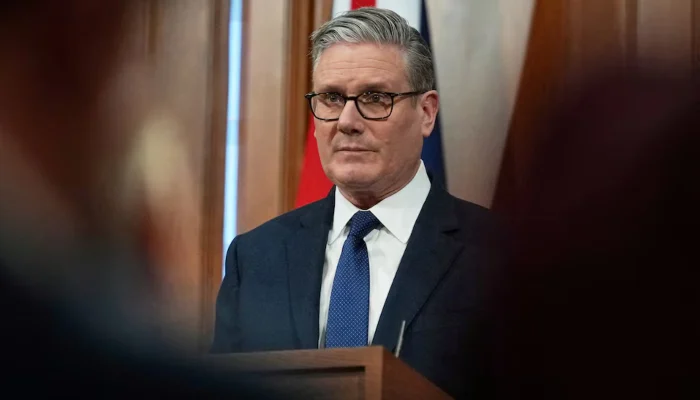
British Prime Minister Keir Starmer has pledged to remain in office and continue pursuing “change” after his Labour Party suffered significant losses in local and regional elections across the United Kingdom. The results have raised fresh questions about his leadership and the stability of his government.
Labour Faces Heavy Electoral Losses
In recent voting across England, Scotland, and Wales, the Labour Party experienced widespread setbacks, losing control of numerous local councils and key political positions. These elections are widely seen as an early indicator of public sentiment ahead of the next general election expected in 2029.
Labour’s losses were recorded in traditional strongholds, including parts of London, northern England, and Wales—areas that have historically supported the party.
Observers say the scale of the defeat reflects growing voter frustration with the pace of reform and ongoing economic pressures in the country.
Reform UK Emerges as Major Winner
The biggest beneficiary of Labour’s decline has been the populist Reform UK, led by Brexit campaigner Nigel Farage.
The party gained more than 1,000 council seats in England, marking one of its strongest electoral performances to date. Reform UK also made gains in local governance, including winning control in areas such as Havering in London for the first time.
The results suggest a significant reshaping of Britain’s political landscape, with smaller and insurgent parties increasingly challenging the traditional dominance of Labour and the Conservatives.
Starmer Under Pressure as He Deflects Blame Over Mandelson Appointment
Shift Toward Multi-Party Politics
Alongside Reform UK’s rise, other parties also made gains:
- The Green Party increased its influence in several urban areas
- Nationalist parties strengthened positions in Scotland and Wales
- The Conservative Party also suffered notable losses
This fragmentation indicates a broader transition from Britain’s historically two-party system toward a more divided, multi-party political environment.
Starmer’s Response and Political Pressure
Despite mounting criticism, Starmer rejected calls to step down. Speaking after the results, he said:
- He takes full responsibility for the losses
- His government has made “unnecessary mistakes”
- The focus will now be on delivering “real change”
He also acknowledged public dissatisfaction, particularly regarding the cost-of-living crisis, but insisted that his government remains committed to long-term reforms.
However, internal pressure is growing. More than 20 Labour lawmakers have reportedly raised concerns about his leadership, though senior ministers have dismissed the idea of a leadership change.
Economic Concerns and Public Sentiment
The elections were also influenced by ongoing economic challenges in the UK, including inflation pressures and public service concerns. Local councils, which handle services such as social care and waste management, were a key battleground where Labour lost significant ground.
Financial markets responded cautiously but positively, with the British pound strengthening slightly after the results, suggesting investor confidence in political continuity despite electoral turbulence.
A Changing Political Landscape
The results highlight how quickly Britain’s political environment is evolving. In contrast to previous elections where Labour and the Conservatives dominated, recent voting shows voters increasingly turning to alternative parties across the political spectrum.
Analysts suggest this trend reflects deeper dissatisfaction with traditional political structures and growing demand for new political options.
While Keir Starmer remains in office for now, the election results mark a serious warning for the Labour government. The surge of Reform UK and other smaller parties signals a significant reshaping of British politics, with the country potentially entering a new era of fragmented, multi-party competition.