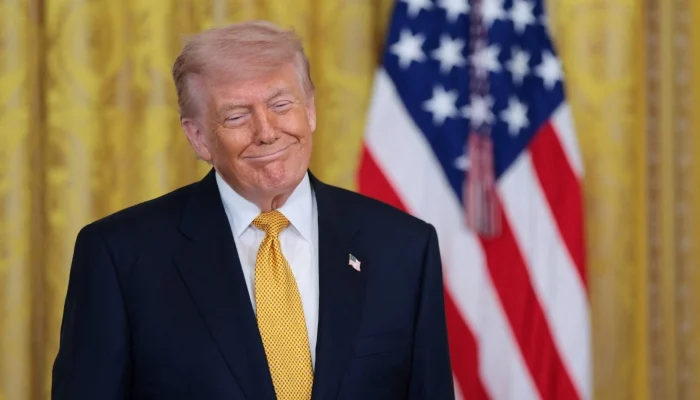
US President Donald Trump has said that a nuclear agreement with Iran remains “very possible,” while simultaneously warning that military strikes could resume if ongoing negotiations fail.
The latest remarks come at a critical moment in regional diplomacy, with both Washington and Tehran signaling cautious openness to renewed talks after weeks of military escalation and political deadlock.
Trump Signals Optimism Alongside Military Threats
Speaking to reporters in Washington, Trump said recent discussions with Iran had shown encouraging progress. According to him, negotiations over the past 24 hours had been “very good,” increasing the likelihood of reaching an agreement.
However, the US president also delivered a sharp warning, stating that if Iran failed to comply with what had already been discussed, American military action could resume “at a much higher level and intensity.”
Trump further claimed that Iran could eventually hand over its enriched uranium to the United States as part of a broader settlement, although he did not explain how such a highly disputed arrangement would be implemented.
Iran Says Proposal Still Under Review
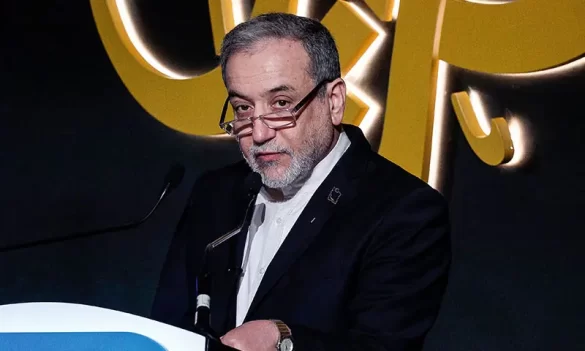
Iranian officials responded cautiously to Trump’s comments. Esmaeil Baghaei stated that Tehran was still reviewing the latest American proposal and would communicate its official position to Pakistan after internal consultations were completed.
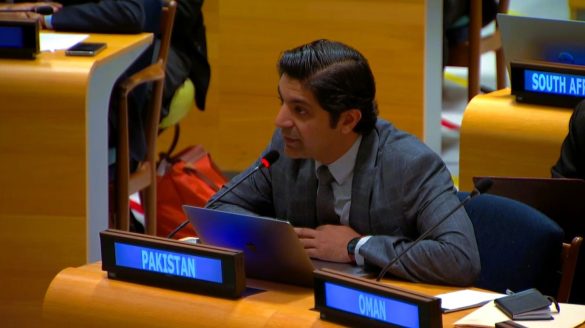
Pakistan has recently emerged as an important diplomatic intermediary between the two countries. Last month, Islamabad hosted high-level engagements aimed at reducing tensions and reopening communication channels between Washington and Tehran.
At the same time, Iranian Parliament Speaker Mohammad Bagher Ghalibaf accused the United States of trying to pressure Iran through economic measures, naval restrictions, and media influence in order to force what he described as the country’s “surrender.”
Strait of Hormuz Crisis Still Unresolved
The diplomatic developments come amid continued tensions in the Strait of Hormuz, one of the world’s most strategically important oil routes. The waterway handles nearly 20% of global oil shipments, making any disruption a major concern for international markets.
Earlier this week, Trump announced a temporary pause in a US military initiative intended to reopen shipping routes through the strait. The operation had been launched after escalating maritime tensions between Iran and the United States.
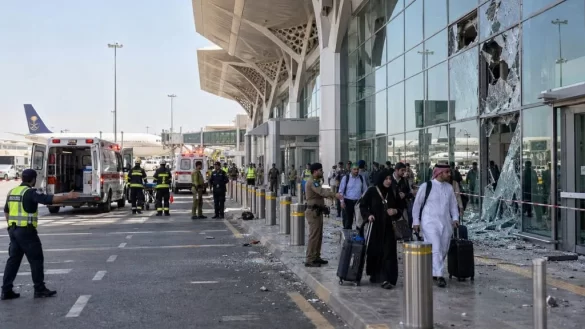
Trump Reportedly Reverses “Project Freedom” Plan After Saudi Airspace Restrictions
Despite pausing the operation, Washington has maintained its broader blockade measures against Iranian ports, while accusing Tehran of threatening commercial shipping through mines, drones, and missile deployments.
The US military also claimed that one of its aircraft disabled an oil tanker attempting to breach the blockade, further underlining the fragile nature of the current ceasefire.
Pakistan Expresses Hope for Lasting Peace
Pakistan’s Prime Minister Shehbaz Sharif expressed optimism regarding the ongoing diplomatic momentum. In a statement, he said Pakistan hoped the talks would result in a lasting agreement capable of ensuring “durable peace and stability” across the region.
Islamabad’s role has become increasingly important as both Washington and Tehran continue searching for a pathway back to formal negotiations.
Meanwhile, reports from Axios suggest that American and Iranian officials may be close to agreeing on a short memorandum of understanding that could establish the foundation for broader nuclear negotiations in the future.
Regional Tensions Extend Beyond Iran
The crisis has also affected neighboring countries, particularly Lebanon. Israeli airstrikes reportedly targeted Beirut’s southern suburbs on Wednesday, killing a senior commander linked to Hezbollah’s elite forces, according to sources cited by AFP.
Israeli military officials said operations against Hezbollah would continue, reflecting how the broader regional conflict remains deeply interconnected.
As negotiations continue, analysts say the coming days could prove decisive in determining whether diplomacy succeeds or whether the region moves back toward wider military confrontation.