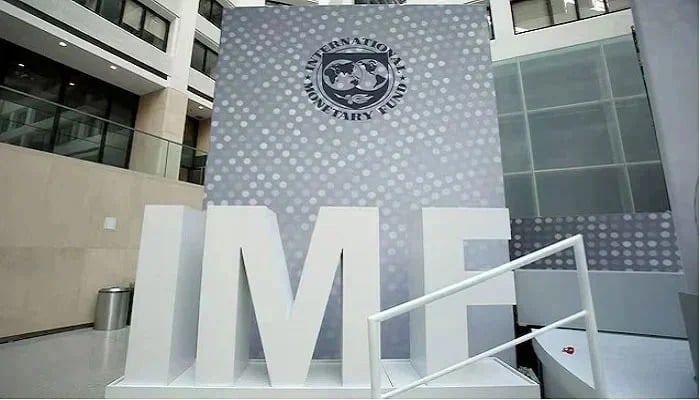
The International Monetary Fund (IMF) has concluded its recent mission to Pakistan after discussions focused on fiscal policy, economic reforms, and the country’s budget strategy for the coming years. The talks come at a time when Pakistan continues to navigate economic stabilization under an ongoing IMF-supported programme.
IMF Mission Concludes Key Talks in Islamabad
The IMF delegation, led by advisor Iva Petrova, visited Islamabad from May 13 to May 20, where it held detailed discussions with Pakistan’s finance officials. According to the Fund, the talks covered recent economic developments, progress on structural reforms, and the broader fiscal outlook, including planning for the FY2027-28 budget.
The IMF also noted that Pakistan remains committed to maintaining macroeconomic stability while continuing reforms under its existing $7 billion programme.
Commitment to Fiscal Discipline and Surplus Target
A major outcome of the discussions was Pakistan’s commitment to achieving a primary fiscal surplus of 2% of GDP in fiscal year 2027-28. This target reflects efforts to reduce debt pressures and strengthen fiscal discipline over the medium term.
Previously, Pakistan has been working toward improving its fiscal position, with the IMF noting that a primary surplus of around 1.6% of GDP is expected in FY26, showing gradual progress in meeting programme goals.
Monetary Policy and Inflation Control
The State Bank of Pakistan (SBP) reaffirmed its stance of maintaining a tight monetary policy to help anchor inflation expectations. The IMF emphasized that controlling inflation remains a key priority, especially as energy price adjustments and global commodity trends continue to affect domestic prices.
The Fund also highlighted the importance of exchange rate flexibility, stating that it should act as a buffer against external economic shocks. Efforts to deepen Pakistan’s foreign exchange interbank market were also discussed.
Pakistan and IMF Reach Broad Agreement on Macroeconomic Framework for FY27 Budget
Structural Reforms and Economic Stability
Beyond fiscal and monetary issues, the discussions also focused on long-term structural reforms. These include changes in the energy sector, restructuring of state-owned enterprises, financial sector reforms, and product market liberalization aimed at attracting private investment.
The IMF also reviewed progress under the Resilience and Sustainability Facility (RSF), particularly Pakistan’s efforts to improve disaster risk financing, integrate climate considerations into planning, and reform power subsidies.
Outlook and Future IMF Engagement
According to the IMF, discussions on Pakistan’s FY2027 budget will continue in the coming days. A follow-up mission is expected in the second half of 2026, which will include broader Article IV consultations as well as reviews under existing lending arrangements.
The IMF concluded that Pakistan has made “significant progress” under its reform programme, noting improvements in economic stability, financing conditions, and foreign exchange reserves, which reached around $16 billion by the end of December.
Despite ongoing global uncertainties, the Fund stressed that continued policy discipline and structural reforms will be essential for sustaining long-term growth and economic resilience.