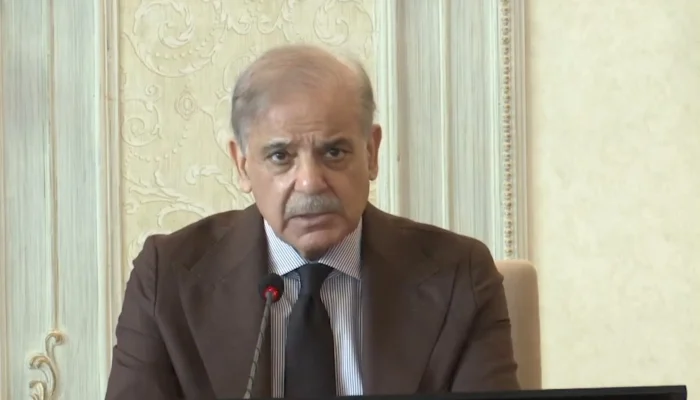
Pakistan’s fragile economic recovery has come under renewed pressure as the ongoing Middle East conflict drives global oil prices sharply higher, Prime Minister Shehbaz Sharif said during a federal cabinet meeting on April 29, 2026.
Surge in Oil Prices Hits Pakistan Hard
Addressing the cabinet in Islamabad, the prime minister noted that the conflict has created an “extraordinary situation” in global energy markets. He highlighted that Brent crude prices have surged to around $114.64 per barrel, significantly increasing Pakistan’s import costs.
As a result, the country’s weekly oil import bill has jumped from $300 million to $800 million, placing additional strain on foreign exchange reserves and economic stability efforts.
Pakistan, which relies heavily on imported fuel, is particularly vulnerable to such global price shocks. Rising oil prices not only increase the import bill but also contribute to inflation, higher transport costs, and pressure on subsidies.
Government Response and Economic Measures
In response to the crisis, the government has set up a task force to monitor the situation daily. The prime minister said consultations are ongoing with provincial governments to continue subsidies in key sectors, especially public transport, to protect citizens from rising costs.
He stressed the need for collective and continuous efforts, urging authorities to work “day and night” to mitigate the economic impact.
Despite current challenges, Shehbaz Sharif pointed out that Pakistan has made progress in recent months, including the repayment of $3.5 billion in external debt, and acknowledged the support of friendly countries such as Saudi Arabia.
Link Between Conflict and Economic Pressure
The current crisis began on February 28, when tensions escalated into conflict involving the United States, Israel, and Iran. This instability has disrupted global energy supply routes and pushed oil prices upward.
Iran’s FM Returns to Pakistan as Efforts Continue to Sustain US–Iran Peace Talks
Such geopolitical tensions often lead to uncertainty in oil markets, and countries like Pakistan—dependent on imports—face immediate economic consequences.
Pakistan’s Diplomatic Efforts for Peace
Highlighting Pakistan’s diplomatic role, the prime minister said Islamabad has made sincere efforts to promote regional peace and stability.
He revealed that talks between Iran and the United States were held in Islamabad on April 11, lasting for 21 hours. He also mentioned the visit of Iranian Foreign Minister Abbas Araghchi for further negotiations.
According to the prime minister, a ceasefire is currently holding, and there is hope for a positive outcome from ongoing diplomatic engagements, including meetings held in Oman.
Hope for Stability Ahead
While the economic pressure remains significant, the government is hopeful that the situation will improve if the conflict de-escalates. Prime Minister Shehbaz expressed optimism that lasting peace in the Middle East would help stabilise global markets and ease Pakistan’s economic burden.
He also appreciated the role of Interior Minister Mohsin Naqvi for supporting peace efforts.
The Middle East conflict has highlighted Pakistan’s vulnerability to global energy shocks. As oil prices rise, economic gains achieved over the past two years are at risk. Moving forward, both economic management and diplomatic efforts will be crucial in navigating this challenging period.