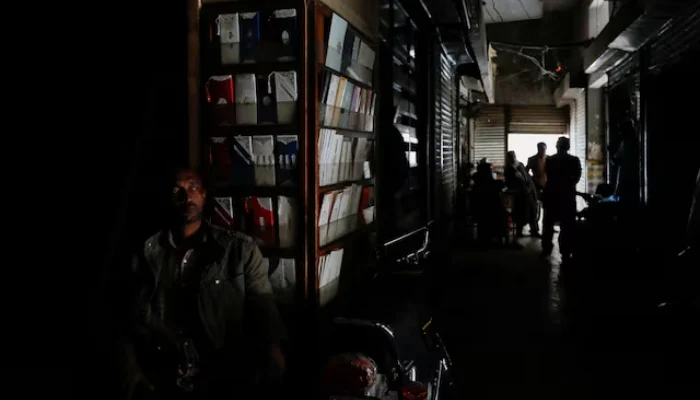
ISLAMABAD: The federal government has announced daily loadshedding of more than two hours during peak evening hours, while cautioning that electricity prices may rise due to the ongoing global energy crisis.
The move comes as escalating tensions in the Middle East continue to disrupt energy supplies, forcing countries like Pakistan to adopt emergency measures to manage limited resources.
Peak Hours Loadshedding Plan
According to the Power Division, electricity supply will be suspended for approximately 2.5 hours daily between 5pm and 1am — the period when demand is at its highest.
Officials explained that this step is aimed at reducing reliance on expensive fuel sources and preventing a sharp increase in electricity tariffs. The government has framed this initiative as part of a broader “Peak Relief Strategy” rather than routine loadshedding.
Impact of Strait of Hormuz Closure
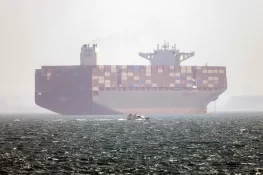
A major contributing factor to the crisis is the closure of the Strait of Hormuz, a critical route for global oil shipments. The disruption has strained fuel supplies worldwide, significantly impacting energy-dependent economies.
As a result, Pakistan is facing increased pressure on its power generation system, particularly during high-demand hours.
Rising Demand and Reduced Hydropower
Authorities highlighted that electricity demand surges sharply in the evening, while hydropower generation has declined in recent days. This imbalance forces the system to depend on costly alternatives like furnace oil.
“If expensive fuel is used to meet demand, electricity prices could rise substantially,” a spokesperson noted, explaining the rationale behind controlled outages.
PM Shehbaz Sharif to Embark on Three-Nation Diplomatic Visit Amid Regional Tensions
Expected Tariff Increase
Despite efforts to limit costs, officials have warned of a possible increase of around Rs1.5 per unit in electricity tariffs. However, they emphasized that without these measures, the increase could have reached Rs5 to Rs6 per unit.
The government is attempting to strike a balance between maintaining supply and protecting consumers from a steep financial burden.
Government Measures to Contain Costs
The Power Division stated that several steps have been taken to stabilize the situation. These include supplying 80 MMCFD of local gas to power plants, which helped avoid an estimated Rs0.80 per unit increase and reduced the need for additional load management.
Moreover, authorities noted that electricity tariffs had actually decreased by an average of Rs0.71 per unit between July and February, due to system reforms, improved planning, and better implementation of merit-based dispatch.
Consumer Awareness and Transparency
To ensure transparency, power distribution companies (DISCOs) have been directed to share feeder-wise outage schedules with consumers in advance. Officials stressed that no unscheduled loadshedding should occur outside the announced timings, except in cases of technical faults, which must also be communicated promptly.
Overall, the government maintains that these temporary measures are necessary to navigate the ongoing crisis while minimizing the financial impact on consumers.